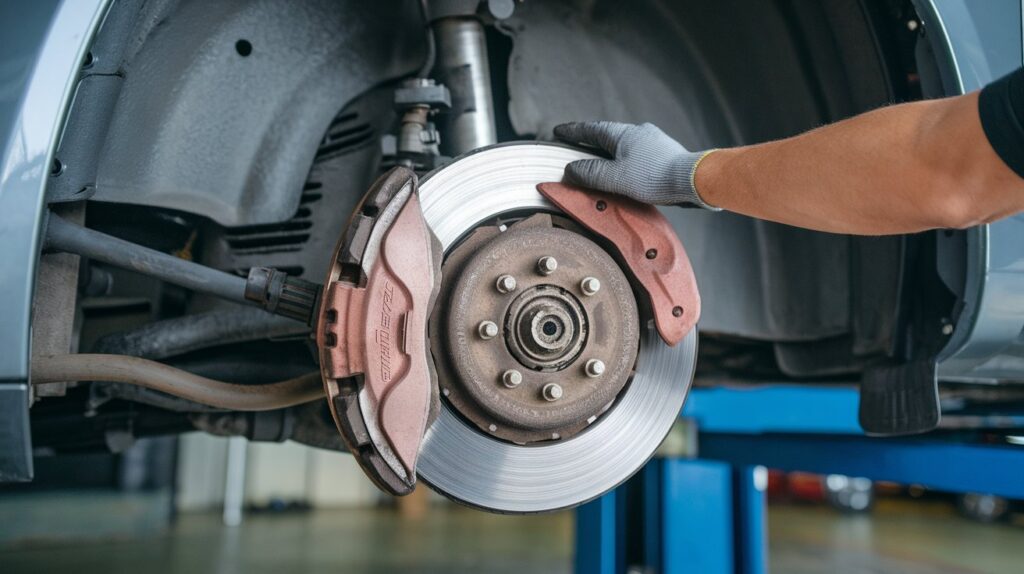
Knowing when to replace brake pads is critical for vehicle safety and performance. Most brake pads need replacement when they reach 3mm thickness or less, though many mechanics recommend replacement at 4mm. In the United States, approximately 68 million brake pad replacements occur annually, with costs ranging from $150 to $400 per axle in 2026. This comprehensive guide covers exact thickness measurements, warning signs, replacement costs, and timing guidelines to keep your vehicle stopping safely.
Understanding Brake Pad Thickness and Replacement Timing
The most precise way to determine when to replace brake pads is by measuring their thickness. New brake pads typically measure between 8mm to 12mm thick depending on the vehicle manufacturer and pad type. As brake pads wear down through friction against the rotors, they gradually lose material. The minimum safe thickness is generally considered 3mm, which is approximately the thickness of two US pennies stacked together.
Professional mechanics in the United States follow specific guidelines for brake pad replacement timing. When pads reach 4mm thickness, replacement is strongly recommended to avoid entering the danger zone. At 3mm or less, immediate replacement becomes essential as the backing plate could contact the rotor, causing expensive damage. Most vehicle manufacturers design wear indicators that create a squealing sound when pads reach approximately 3mm, serving as an audible warning system for drivers across the country.
Critical Warning Signs Your Brake Pads Need Replacement
Beyond thickness measurements, several warning signs indicate brake pad replacement is necessary. The most common indicator is a high-pitched squealing or screeching sound when applying brakes. This noise comes from a small metal shim called an indicator that’s designed to contact the rotor when pad material gets too thin. According to 2026 automotive safety data, this warning system alerts approximately 47% of US drivers to brake issues before visual inspection.
Other critical signs include grinding noises, which indicate the pads have worn completely through and metal backing plates are contacting the rotors. Vibration or pulsation in the brake pedal suggests uneven pad wear or warped rotors. Reduced braking performance, requiring more pedal pressure or longer stopping distances, indicates significant wear. If your vehicle pulls to one side during braking, this suggests uneven brake pad wear between left and right wheels, requiring immediate inspection and likely replacement.
Brake Pad Replacement Costs Across the United States in 2026
Understanding brake pad replacement costs helps drivers budget for this essential maintenance. In 2026, the average cost for brake pad replacement in the United States ranges from $150 to $400 per axle, depending on vehicle type, pad quality, and labor rates. Economy vehicles typically cost $150-$250 per axle, while luxury and performance vehicles can exceed $400 per axle due to specialized high-performance brake pads and higher labor rates at dealership service centers.
The total cost breaks down into parts and labor components. Brake pad sets for one axle range from $50 to $200, with ceramic pads at the higher end and semi-metallic or organic pads at lower price points. Labor costs typically range from $80 to $150 per axle, varying by geographic location and service provider. Urban areas like New York, San Francisco, and Los Angeles tend to have higher labor rates compared to rural regions. Many service centers offer brake pad replacement package deals that include rotor resurfacing for $250-$500 per axle.
Mileage-Based Brake Pad Replacement Guidelines
While thickness measurements provide the most accurate replacement timing, mileage guidelines offer practical planning tools. Most brake pads in the United States last between 25,000 to 70,000 miles, with significant variation based on driving conditions, pad material, and driving habits. Front brake pads typically wear faster than rear pads because they handle approximately 60-70% of braking force, often requiring replacement twice as frequently as rear pads.
City driving with frequent stop-and-go traffic significantly reduces brake pad lifespan, often requiring replacement around 25,000-40,000 miles. Highway driving with minimal braking extends pad life to 50,000-70,000 miles or more. According to 2026 automotive research, aggressive driving habits can reduce brake pad life by 30-40% compared to smooth, anticipatory driving. Mountain driving with frequent descents causes premature wear, while regenerative braking systems in hybrid and electric vehicles can extend conventional brake pad life beyond 100,000 miles.
Is 3mm Brake Pad Thickness Acceptable
The question of whether 3mm brake pad thickness is acceptable requires nuanced understanding. While 3mm represents the absolute minimum thickness, most automotive experts and vehicle manufacturers recommend replacement before reaching this critical threshold. At 3mm, the remaining friction material provides minimal safety margin, and the wear indicator should already be creating audible warnings during braking.
Professional mechanics across the United States typically recommend brake pad replacement at 4mm to maintain optimal safety margins. At 3mm thickness, brake pads still function but offer reduced heat dissipation capacity, potentially causing brake fade during heavy use. The proximity to the backing plate means any uneven wear could result in metal-to-metal contact, causing rotor damage that increases total repair costs from $400 to potentially $800 or more per axle when rotor replacement becomes necessary.
Understanding 5mm Brake Pad Thickness
At 5mm thickness, brake pads remain within acceptable operating parameters but are approaching the replacement zone. This thickness level indicates approximately 40-50% of original pad material remains, depending on the starting thickness. Most manufacturers and professional mechanics consider 5mm the threshold for planning replacement, though not requiring immediate action unless other warning signs appear.
Vehicle owners discovering 5mm brake pads during inspection should plan for replacement within the next 5,000-10,000 miles, depending on driving conditions. This proactive approach prevents emergency replacements and allows for scheduling service at convenient times. The remaining pad material at 5mm provides adequate braking performance under normal conditions, but drivers should avoid aggressive driving or towing heavy loads that accelerate wear. Regular monitoring every 3-6 months ensures pads don’t unexpectedly reach critical thickness levels.
Percentage-Based Brake Pad Life Monitoring
Modern vehicles increasingly display brake pad life as a percentage on dashboard information systems. This technology uses sensors or calculation algorithms based on braking frequency, intensity, and duration. When the system shows 20% or less remaining brake pad life, replacement should be scheduled soon. At 10% or below, immediate service becomes necessary to maintain safe braking performance.
Understanding these percentage indicators helps drivers maintain proactive maintenance schedules. However, percentage systems vary in accuracy between manufacturers and vehicle models. Some systems provide highly accurate readings through actual thickness sensors embedded in brake pads, while others use algorithmic estimates that may not account for unusual driving patterns. Regardless of percentage displayed, physical inspection by a qualified technician provides the most reliable assessment of actual brake pad condition and replacement timing needs.
Rear Brake Pad Replacement Timing and Considerations
Rear brake pads follow different replacement schedules compared to front pads due to reduced braking force distribution. In most vehicles, rear brakes handle 30-40% of total braking power, resulting in slower wear rates. Rear brake pads typically last 50,000-100,000 miles, often outlasting two sets of front pads. The same 3mm minimum thickness rule applies to rear pads, though monitoring frequency can be less frequent.
Several factors affect rear brake pad longevity. Vehicles with electronic brake force distribution systems optimize front-to-rear brake balance, potentially increasing rear pad wear slightly. Sports cars and performance vehicles often have more balanced brake distribution, causing rear pads to wear faster than economy vehicles. Regular inspection during front brake service allows mechanics to assess rear pad condition and recommend replacement when necessary, typically performed when thickness reaches 4mm or less.
Bicycle Brake Pad Replacement Guidelines
For bicycle enthusiasts, knowing when to replace bike brake pads ensures safe stopping power. Rim brake pads typically show wear grooves that disappear when replacement becomes necessary. Most manufacturers include wear indicator grooves approximately 1-1.5mm deep. When these grooves are no longer visible, immediate pad replacement prevents rim damage and maintains braking efficiency.
Disc brake pads on bicycles follow similar principles to automotive pads, with minimum thickness around 1.5mm for most systems. Visual inspection reveals pad material remaining above the backing plate. Squealing sounds, reduced braking power, or requiring excessive lever pressure indicate worn pads. Mountain bike brake pads typically last 500-1,500 miles depending on terrain and conditions, while road bike pads can last 2,000-3,000 miles. Regular cleaning and inspection every 200-300 miles helps maximize brake pad lifespan and ensures reliable stopping performance.
Toyota-Specific Brake Pad Replacement Recommendations
Toyota vehicles follow manufacturer-specific brake pad replacement guidelines that align with general industry standards while incorporating brand-specific considerations. Toyota typically recommends brake inspection every 10,000 miles and replacement when pads reach 3-4mm thickness. Popular models like the Camry, RAV4, and Highlander average 40,000-60,000 miles on front brake pads under normal driving conditions, while rear pads often last 70,000-100,000 miles.
Toyota’s hybrid models including the Prius and RAV4 Hybrid benefit from regenerative braking systems that significantly extend conventional brake pad life. These vehicles often achieve 80,000-120,000 miles on original brake pads due to reduced friction braking. However, this extended life requires attention to caliper function and pad surface condition, as infrequent use can cause corrosion or glazing. Toyota dealerships and certified technicians use specific inspection protocols during routine maintenance to ensure optimal brake system performance and timely pad replacement.
Factors That Accelerate Brake Pad Wear
Understanding factors that accelerate brake pad wear helps drivers extend pad life and reduce replacement frequency. Driving style represents the most significant variable, with aggressive braking reducing pad life by 30-50% compared to smooth, anticipatory driving. Frequent hard stops generate excessive heat, accelerating friction material degradation. City driving with constant stop-and-go traffic causes significantly faster wear than highway cruising with minimal braking events.
Environmental and mechanical factors also influence brake pad longevity. Mountain driving with extended descents generates sustained heat that degrades pads rapidly. Towing or hauling heavy loads increases braking demands and wear rates. Corroded or seized brake calipers cause uneven pad wear and premature replacement needs. Contaminated brake pads from oil leaks or brake fluid exposure require immediate replacement regardless of thickness. Quality of pad material matters significantly, with premium ceramic pads typically lasting 20-30% longer than economy organic brake pads while producing less dust and noise.
Related video about when to replace brake pads
This video complements the article information with a practical visual demonstration.
Key Questions and Answers
Is 3mm on brake pads ok?
3mm brake pad thickness represents the absolute minimum acceptable level, though replacement is strongly recommended before reaching this point. At 3mm, the wear indicator should be creating audible warnings, and there’s minimal safety margin remaining. Most professional mechanics recommend replacement at 4mm to avoid the risk of backing plate contact with rotors, which causes expensive rotor damage. While 3mm pads still function, they offer reduced heat dissipation and limited remaining life, making immediate replacement the prudent choice for maintaining optimal vehicle safety.
Is 5mm on brake pads ok?
5mm brake pad thickness is acceptable for continued driving but indicates planning for replacement should begin. At this level, approximately 40-50% of original pad material remains, providing adequate braking performance under normal conditions. Most mechanics recommend scheduling replacement within 5,000-10,000 miles when pads reach 5mm thickness. This proactive approach prevents emergency replacements and ensures optimal safety margins. Drivers should avoid aggressive driving or heavy towing with 5mm pads and monitor thickness every 3-6 months until replacement occurs.
How much do brake pads cost in the United States?
Brake pad replacement costs in the United States range from $150 to $400 per axle in 2026, depending on vehicle type, pad quality, and location. Economy vehicles typically cost $150-$250 per axle, while luxury and performance vehicles can exceed $400. The cost includes brake pad sets ($50-$200) and labor ($80-$150). Ceramic pads cost more than semi-metallic or organic options but typically last longer. Geographic location significantly affects pricing, with urban areas charging higher labor rates than rural regions. Many shops offer package deals including rotor resurfacing for $250-$500 per axle.
How many miles do brake pads typically last?
Brake pads typically last 25,000 to 70,000 miles depending on driving conditions, pad material quality, and driving habits. Front brake pads generally wear faster than rear pads, often requiring replacement twice as frequently. City driving with frequent stops reduces lifespan to 25,000-40,000 miles, while highway driving can extend life to 50,000-70,000 miles or more. Hybrid and electric vehicles with regenerative braking systems often achieve 80,000-120,000 miles on brake pads. Aggressive driving habits can reduce expected lifespan by 30-40%, while smooth, anticipatory driving maximizes brake pad longevity.
What are the main warning signs that brake pads need replacement?
The primary warning signs for brake pad replacement include squealing or screeching sounds during braking, which indicate wear indicators contacting the rotor. Grinding noises suggest pads have worn completely through, requiring immediate replacement. Other signs include vibration or pulsation in the brake pedal, reduced braking performance requiring more pedal pressure, longer stopping distances, and vehicle pulling to one side during braking. Visual inspection may reveal thin pad material or dashboard warning lights on newer vehicles. Any of these symptoms warrants prompt professional inspection to maintain safe braking performance.
Should I replace brake pads on both sides of an axle simultaneously?
Yes, brake pads should always be replaced on both sides of an axle simultaneously, even if one side shows more wear than the other. Replacing pads on only one side creates uneven braking force distribution, causing the vehicle to pull during braking and potentially compromising safety. Both sides typically wear at similar rates under normal conditions, though slight differences may occur due to caliper function or driving patterns. Replacing both sides together ensures balanced braking performance, optimal stopping power, and prevents premature wear on the newer pad from compensating for the worn pad on the opposite side.
| Key Replacement Indicator | Specific Measurement | Recommended Action |
|---|---|---|
| Minimum Safe Thickness | 3mm or less | Immediate replacement required |
| Recommended Replacement | 4mm thickness | Schedule service within 1-2 weeks |
| Planning Stage | 5mm thickness | Plan replacement within 5,000-10,000 miles |
| Average Mileage | 25,000-70,000 miles | Inspect every 10,000 miles |
| Replacement Cost | $150-$400 per axle | Budget for front and rear service |
| Dashboard Warning | 20% life remaining | Schedule inspection and service soon |