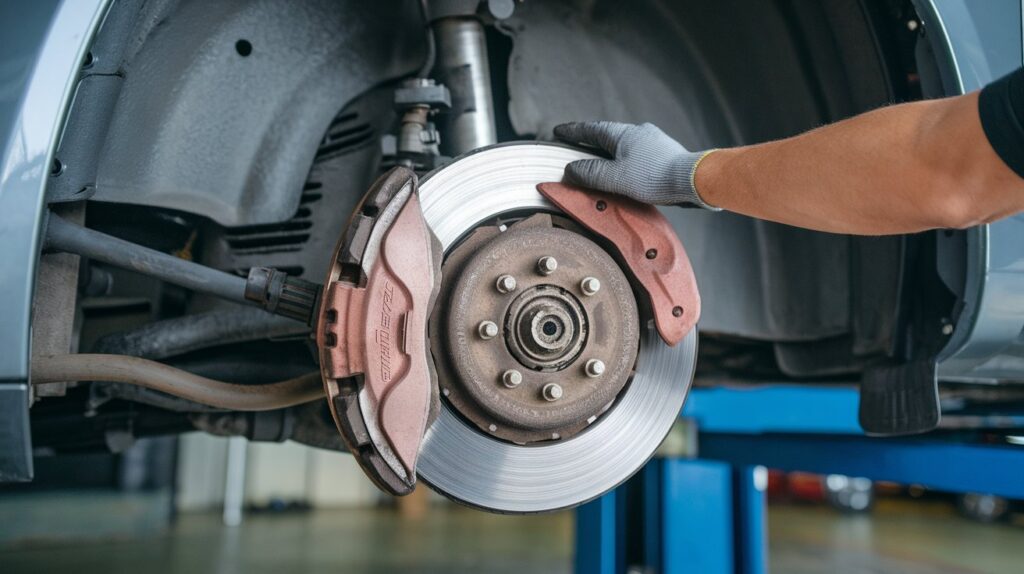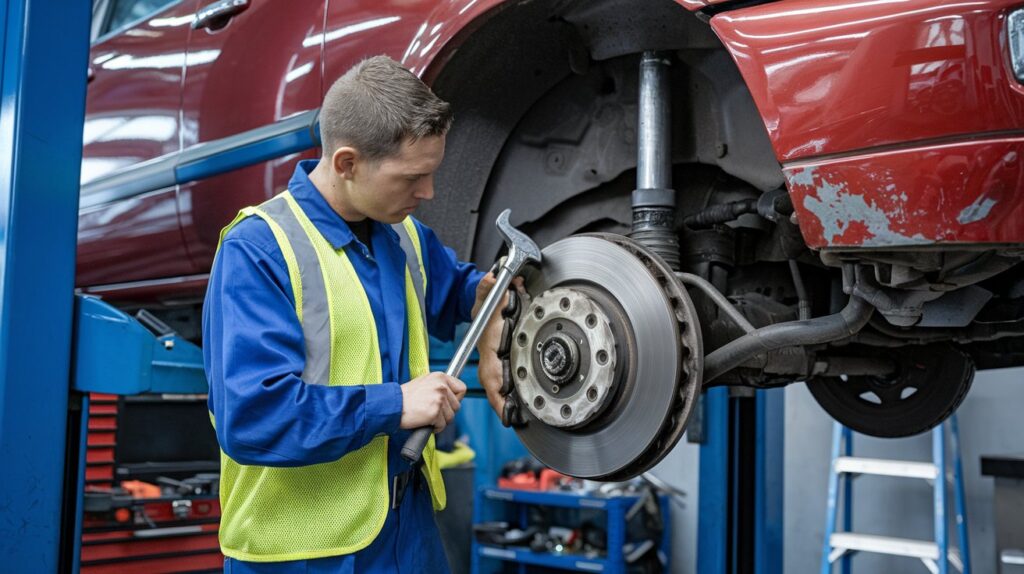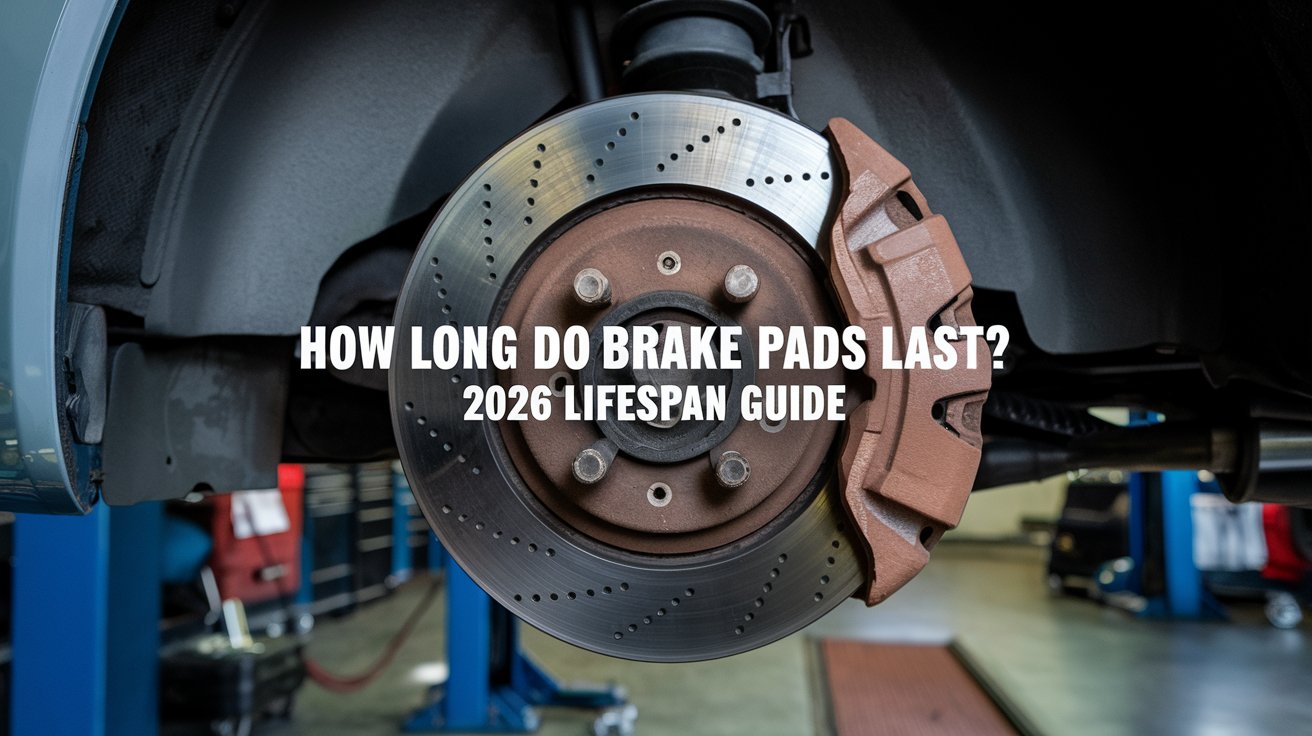
Understanding how long brake pads last is crucial for vehicle safety and maintenance budgeting. In 2026, most brake pads last between 30,000 to 70,000 miles, though this varies significantly based on driving habits, vehicle type, and pad material. This comprehensive guide covers everything United States drivers need to know about brake pad longevity, replacement timing, and cost-effective maintenance strategies for optimal braking performance.
Average Brake Pad Lifespan: Miles and Years
The typical brake pad lifespan for passenger vehicles in the United States ranges from 30,000 to 70,000 miles under normal driving conditions. Most manufacturers recommend inspecting brake pads every 12,000 miles and replacing them when the friction material reaches 3-4 millimeters in thickness. In terms of years, brake pads generally last between 3 to 7 years, depending on annual mileage and driving environment. Urban drivers who frequently encounter stop-and-go traffic typically experience shorter brake pad life compared to highway commuters.
According to 2026 automotive data, brake pads on automatic transmissions often last longer than those on manual vehicles because automatic transmissions reduce the frequency of complete stops. The average American driver travels approximately 14,000 miles annually, which translates to brake pad replacement every 4 to 5 years for most vehicles. However, aggressive driving, mountainous terrain, and frequent towing can reduce this lifespan by 30-50 percent, necessitating more frequent inspections and replacements.
Factors That Affect Brake Pad Longevity
Multiple variables influence how long brake pads last on a car, with driving behavior being the primary determinant. Hard braking, rapid acceleration, and frequent stops significantly accelerate brake pad wear. Environmental conditions also play a crucial role, as drivers in hilly or mountainous regions experience faster brake pad degradation due to increased braking demands. Vehicle weight and load capacity directly impact brake pad lifespan, with heavier vehicles and those frequently carrying cargo requiring more frequent replacements.
Driving Habits and Brake Pad Wear
Your personal driving style dramatically affects brake pad durability. Aggressive drivers who brake hard and late can wear through brake pads in as little as 20,000 miles, while defensive drivers who anticipate stops and brake gradually may exceed 80,000 miles on a single set. Utilizing engine braking on manual transmissions or downshifting on automatics reduces brake pad reliance, extending their service life. City driving with constant stop-and-go traffic typically reduces brake pad life by 40 percent compared to highway driving at consistent speeds.
Vehicle Type and Brake Pad Duration
Different vehicle categories experience varying brake pad longevity patterns. Compact sedans and hybrid vehicles generally achieve the longest brake pad life, often exceeding 60,000 miles due to lighter weight and regenerative braking systems. SUVs and trucks typically require brake pad replacement every 35,000 to 50,000 miles because of increased vehicle mass and towing capacity. Performance vehicles with high-horsepower engines wear brake pads faster, sometimes requiring replacement every 25,000 miles despite using premium brake materials designed for high-temperature performance.
How Long Do Brake Pads Last on Different Vehicles
Brake pad lifespan varies considerably across vehicle types and makes. Understanding these differences helps drivers set realistic expectations for brake maintenance schedules and budget accordingly for replacement costs throughout vehicle ownership.
Brake Pad Life on Trucks and SUVs
Wondering how long do brake pads last on a truck? Full-size pickup trucks and large SUVs typically achieve 30,000 to 50,000 miles on their brake pads. The Ford F-150, America’s best-selling vehicle, averages 40,000 miles per brake pad set under normal driving conditions. Heavy-duty trucks used for towing or hauling may require replacement as early as 25,000 miles. The Chevrolet Silverado and Ram 1500 show similar patterns, with front brake pads wearing faster than rear pads due to forward weight distribution during braking. Owners who regularly tow trailers should inspect brake pads every 10,000 miles to ensure safe braking performance.
Passenger Car Brake Pad Longevity
Sedans and compact cars generally offer the best brake pad durability, with many models exceeding 60,000 miles. The Toyota Camry and Honda Accord, two of America’s most popular sedans, typically achieve 50,000 to 70,000 miles on original brake pads. Hybrid vehicles like the Toyota Prius can surpass 80,000 miles thanks to regenerative braking systems that reduce friction brake usage by up to 60 percent. European sedans such as the BMW 3 Series and Mercedes-Benz C-Class use performance-oriented brake pads that may require replacement every 35,000 to 45,000 miles, especially when driven spiritedly.
Automatic vs Manual Transmission Impact
Many drivers ask how long do brake pads last on an automatic compared to manual transmissions. Automatic transmission vehicles typically achieve 5,000 to 10,000 additional miles on brake pads because drivers cannot utilize engine braking as effectively as manual transmission operators. However, skilled manual transmission drivers who downshift appropriately can extend brake pad life by reducing brake pedal usage. Modern automatics with paddle shifters or manual modes allow drivers to employ engine braking strategies, potentially extending brake pad longevity beyond traditional automatic transmissions.
Brake Pad Material Types and Their Lifespan
The composition of brake pad materials significantly influences longevity, performance characteristics, and replacement costs. In 2026, four primary brake pad types dominate the United States market, each offering distinct advantages and lifespan expectations. Understanding these differences enables informed decisions when selecting replacement brake pads.
Organic brake pads, also called non-asbestos organic (NAO), typically last 25,000 to 40,000 miles and represent the most affordable option. Semi-metallic pads offer improved durability, lasting 40,000 to 60,000 miles with better heat dissipation. Ceramic brake pads provide the longest lifespan at 50,000 to 70,000 miles while producing minimal dust and noise. Low-metallic NAO pads fall between organic and semi-metallic options, averaging 35,000 to 50,000 miles with enhanced braking performance in various weather conditions.
Signs Your Brake Pads Need Replacement
Recognizing brake pad wear indicators prevents safety hazards and prevents damage to more expensive braking components. Modern vehicles incorporate multiple warning systems to alert drivers when brake pads approach minimum thickness specifications. Understanding these signals ensures timely replacement and maintains optimal braking performance.
Audible Warning Signs
The most common indication that brake pads need changing is a high-pitched squealing or squeaking noise when applying brakes. Manufacturers install small metal wear indicators that contact the rotor when pad material reaches 2-3 millimeters, creating this distinctive sound. Grinding noises indicate severely worn pads where metal backing plates contact rotors, requiring immediate replacement to prevent rotor damage. Some drivers report a clicking or rattling sound, which may indicate loose brake pad hardware or anti-rattle clips requiring attention during inspection.
Visual and Performance Indicators
Visual inspection through wheel spokes can reveal brake pad thickness, which should exceed 6 millimeters for safe operation. Dashboard warning lights illuminate when electronic sensors detect brake pad wear below manufacturer specifications. Performance changes include increased stopping distances, brake pedal vibration, or the vehicle pulling to one side during braking. Brake dust accumulation decreases noticeably with worn brake pads, as less friction material remains to generate dust particles on wheels.
How Often Should Brake Pads Be Changed
Determining the optimal brake pad replacement interval depends on multiple factors rather than a universal mileage figure. Most automotive experts recommend inspection every 12,000 miles and replacement when friction material reaches 3-4 millimeters thickness. For average drivers covering 14,000 miles annually, this translates to brake pad changes every 3 to 5 years. However, driving conditions, vehicle type, and brake pad material significantly influence this timeline.
Conservative maintenance schedules suggest replacing brake pads every 40,000 to 50,000 miles regardless of apparent wear, ensuring consistent braking performance and preventing emergency situations. Aggressive drivers, frequent city commuters, and those in mountainous regions should inspect brake pads every 8,000 to 10,000 miles and anticipate replacement every 25,000 to 35,000 miles. Fleet vehicles and commercial applications often require more frequent brake service, sometimes every 20,000 to 30,000 miles depending on duty cycle and load factors.
Brake Pad Replacement Costs in 2026
Understanding how much brake pads cost helps vehicle owners budget for this essential maintenance service. In 2026, brake pad replacement costs in the United States range from 150 to 400 dollars per axle at professional service centers, depending on vehicle make, pad quality, and regional labor rates. Premium vehicles and performance cars may incur costs exceeding 500 dollars per axle for OEM or high-performance brake pads.
Budget-friendly brake pad sets for economy vehicles like the Honda Civic or Toyota Corolla start around 80 to 120 dollars per axle for parts alone, with installation adding 70 to 150 dollars. Mid-range sedans and small SUVs typically require 120 to 200 dollars in parts plus similar labor costs. Luxury vehicles such as BMW, Mercedes-Benz, and Audi models often demand 250 to 400 dollars in brake pad materials per axle. DIY brake pad replacement eliminates labor costs but requires proper tools, mechanical knowledge, and time investment to complete safely.
Extending Brake Pad Life: Practical Tips
Implementing smart driving techniques can significantly extend brake pad longevity and reduce long-term maintenance costs. Anticipating traffic flow and braking gradually rather than abruptly reduces pad wear by up to 35 percent. Maintaining proper following distance allows gentler deceleration, minimizing brake system stress. Using engine braking on downhill grades preserves brake pads by reducing friction brake reliance during extended descents.
Regular brake system maintenance, including fluid changes every 30,000 miles or three years, ensures optimal hydraulic performance and even pad wear. Avoiding overloading your vehicle prevents excessive brake strain and premature pad deterioration. Coast to stops when safe, allowing natural momentum reduction before applying brakes. Remove unnecessary cargo weight to decrease vehicle mass and corresponding braking demands. These practices collectively can add 15,000 to 25,000 miles to brake pad service life while improving fuel efficiency and overall vehicle longevity.
Brake Pad Life in Kilometers for International Comparison
For drivers familiar with metric measurements or comparing international vehicle specifications, understanding how long should brake pads last km provides valuable perspective. The typical 30,000 to 70,000-mile lifespan translates to approximately 48,000 to 113,000 kilometers. Most manufacturers specify brake pad service intervals in kilometers for markets outside the United States, with common replacement recommendations falling between 60,000 and 100,000 kilometers under normal driving conditions.
European and Asian vehicle manufacturers often provide more conservative service intervals, suggesting brake pad inspection every 20,000 kilometers and replacement around 80,000 kilometers maximum. Performance vehicles and those driven in demanding conditions may require service as early as 40,000 kilometers. Understanding these metrics helps when purchasing imported vehicles or comparing maintenance schedules across different automotive markets. The conversion factor of 1.609 kilometers per mile allows easy calculation of manufacturer recommendations regardless of original measurement units.
Brake Rotors vs Brake Pads: Comparative Longevity
While this guide focuses on brake pad lifespan, understanding how long do brake rotors last provides context for complete brake system maintenance. Brake rotors typically endure 50,000 to 70,000 miles, often outlasting two sets of brake pads. However, rotor longevity depends on timely pad replacement, as worn pads damage rotor surfaces through metal-to-metal contact. Most experts recommend rotor inspection during every brake pad change and replacement or resurfacing every second pad replacement cycle.
Modern vehicles use thinner rotors to reduce weight and improve fuel efficiency, sometimes requiring replacement rather than resurfacing after 40,000 to 50,000 miles. High-performance vehicles with larger brake systems may achieve longer rotor life exceeding 80,000 miles due to better heat dissipation and higher-quality materials. Rotor replacement costs range from 200 to 600 dollars per axle including labor, making preventive brake pad replacement economically advantageous. Warped rotors cause pulsating brake pedals and reduced stopping power, necessitating immediate attention regardless of mileage.
Real-World Experiences: Reddit and Driver Reports
Investigating how long do brake pads last reddit discussions reveals diverse real-world experiences from United States drivers. Reddit automotive communities report brake pad longevity ranging from 15,000 miles for aggressive drivers in urban environments to over 100,000 miles for highway commuters with hybrid vehicles. Common themes include surprise at early brake pad wear from new drivers and satisfaction with extended life from those practicing defensive driving techniques.
Popular discussion threads from 2026 highlight the importance of brake pad quality, with many users reporting significant longevity differences between budget aftermarket pads and premium ceramic options. Tesla owners frequently report exceeding 100,000 miles on original brake pads due to regenerative braking reducing friction brake usage by 70 percent. Ford F-150 owners commonly replace brake pads between 35,000 and 45,000 miles, while Honda Civic drivers often achieve 60,000 to 80,000 miles. These real-world accounts emphasize the variability in brake pad life based on individual circumstances rather than universal averages.
Related video about how long do brake pads last
This video complements the article information with a practical visual demonstration.
FAQ – Common Questions
How often should brake pads be changed?
Brake pads should typically be changed every 30,000 to 70,000 miles, depending on driving habits and vehicle type. Most experts recommend inspection every 12,000 miles and replacement when the friction material reaches 3-4 millimeters in thickness. For the average United States driver covering 14,000 miles annually, this means brake pad replacement every 3 to 5 years. City drivers and those with aggressive driving habits may need replacement every 25,000 to 35,000 miles, while highway commuters and hybrid vehicle owners often exceed 60,000 miles between changes.
Do brake pads last 3 years?
Yes, brake pads commonly last 3 years for many drivers, though longevity depends on annual mileage and driving conditions. A driver covering 15,000 miles annually with moderate driving habits typically achieves 3 to 4 years of brake pad life, totaling 45,000 to 60,000 miles. However, low-mileage drivers covering only 8,000 miles yearly may extend brake pad life to 5 to 7 years, while high-mileage commuters or aggressive drivers might require replacement in 2 to 3 years. Environmental factors like mountainous terrain or frequent towing can reduce brake pad life below the 3-year threshold.
How much do brake pads cost in the United States?
Brake pad replacement costs in the United States range from 150 to 400 dollars per axle at professional service centers in 2026. Economy vehicles like the Honda Civic or Toyota Corolla typically require 150 to 250 dollars per axle for quality brake pads including installation. Mid-range sedans and small SUVs cost 200 to 300 dollars per axle, while luxury vehicles like BMW or Mercedes-Benz may exceed 400 dollars per axle. DIY replacement reduces costs to 80 to 250 dollars for parts alone, though proper tools and mechanical knowledge are essential for safe installation.
What factors reduce brake pad lifespan?
Several factors significantly reduce brake pad longevity, with aggressive driving being the primary cause of premature wear. Hard braking, frequent stops in city traffic, and late braking can reduce brake pad life by 40 to 50 percent compared to defensive driving techniques. Mountainous terrain, regular towing, and heavy vehicle loads accelerate brake pad wear through increased braking demands. Poor-quality aftermarket brake pads may wear 30 percent faster than OEM or premium ceramic pads. Environmental factors like salt exposure in winter climates and excessive moisture can also contribute to faster brake pad degradation.
How can I tell if my brake pads need replacement?
Multiple indicators signal when brake pads need replacement. The most common sign is a high-pitched squealing noise when braking, caused by wear indicators contacting the rotor at 2-3 millimeters pad thickness. Grinding sounds indicate severely worn pads requiring immediate attention to prevent rotor damage. Dashboard warning lights illuminate when electronic sensors detect insufficient pad thickness. Visual inspection should show at least 6 millimeters of friction material for safe operation. Performance changes like increased stopping distances, brake pedal vibration, or vehicle pulling during braking also indicate worn brake pads requiring professional inspection.
Do hybrid vehicles have longer brake pad life?
Yes, hybrid and electric vehicles typically achieve significantly longer brake pad life compared to conventional gasoline vehicles. Regenerative braking systems capture kinetic energy during deceleration, reducing friction brake usage by 60 to 70 percent. Toyota Prius owners commonly report brake pad life exceeding 80,000 to 100,000 miles, while Tesla drivers frequently surpass 100,000 miles on original brake pads. However, regenerative braking effectiveness decreases at very low speeds, so friction brakes still experience wear during final stopping phases. This technology represents one of the most effective methods for extending brake pad longevity while improving overall vehicle efficiency.
| Vehicle Type | Average Brake Pad Life | Replacement Cost (Per Axle) |
|---|---|---|
| Compact Sedans | 50,000-70,000 miles | $150-$250 |
| Mid-Size Sedans | 45,000-65,000 miles | $200-$300 |
| SUVs and Crossovers | 35,000-55,000 miles | $225-$350 |
| Pickup Trucks | 30,000-50,000 miles | $200-$350 |
| Hybrid Vehicles | 60,000-100,000 miles | $180-$280 |
| Luxury/Performance | 30,000-50,000 miles | $300-$500+ |