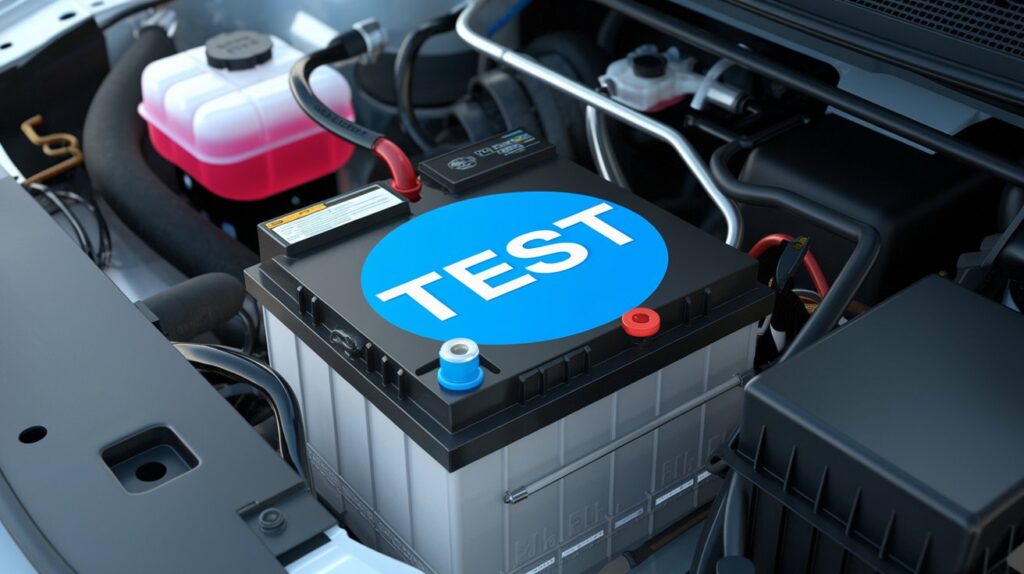
Most car batteries in the United States last between 3 to 5 years under normal driving conditions, though this can vary significantly based on climate, driving habits, and maintenance practices. Understanding your battery lifespan helps you avoid unexpected breakdowns and costly roadside emergencies. This comprehensive guide covers everything you need to know about car battery longevity, warning signs of failure, and proven strategies to maximize your battery’s life in 2026.
What Is the Average Life of a Car Battery?
The average car battery lifespan in the United States ranges from 3 to 5 years, with most manufacturers providing warranties between 2 and 4 years. According to 2026 automotive industry data, battery technology improvements have extended the upper range slightly, with premium batteries now reaching 6 years in optimal conditions. However, extreme temperatures common across the United States significantly impact these numbers.
In southern states like Arizona, Texas, and Florida, the intense heat can reduce battery life to just 2 to 3 years due to accelerated chemical degradation. Conversely, northern states with harsh winters see batteries fail more frequently due to the increased electrical demand during cold starts. The average replacement interval across the country remains around 4 years, with urban drivers typically getting slightly longer life due to more consistent driving patterns compared to rural drivers with infrequent use.
Can a Car Battery Last 10 Years?
While a 10-year battery lifespan is extremely rare, it’s not entirely impossible under exceptional circumstances. Advanced AGM (Absorbent Glass Mat) batteries combined with optimal conditions—moderate climate, regular driving, minimal electrical accessories, and meticulous maintenance—can occasionally reach this milestone. However, industry experts consider this an outlier rather than an expectation.
As of 2026, battery manufacturers have introduced enhanced designs with improved plate technology and electrolyte formulations that theoretically extend lifespan. Premium batteries from brands like Optima, Odyssey, and Interstate now feature 5 to 7-year warranties, acknowledging improved durability. Most automotive professionals recommend proactive replacement at the 5 to 6-year mark regardless of apparent functionality, as aging batteries become increasingly unreliable and can fail without warning, potentially leaving you stranded.
How Do I Tell If My Car Needs a New Battery?
Recognizing the warning signs of battery failure helps you avoid unexpected breakdowns. The most common indicator is a slow or labored engine crank when starting your vehicle, particularly during cold mornings. If you notice the engine takes longer than usual to turn over or makes a sluggish grinding sound, your battery is likely weakening and nearing the end of its service life.
Other telltale signs include dimming headlights when idling, electrical accessories that function inconsistently, dashboard warning lights (especially the battery or check engine light), and a swollen or bloated battery case. If you detect a rotten egg smell near the battery, this indicates a sulfur leak and requires immediate attention. Modern vehicles with sophisticated electronics may display specific battery health warnings on the dashboard. Many auto parts stores across the United States offer free battery testing, which measures both voltage and cold cranking amps to provide a definitive assessment of your battery’s condition.
What Kills Car Batteries Quickly?
Understanding what accelerates battery degradation helps you avoid premature failure. Extreme temperatures top the list, with heat causing electrolyte evaporation and internal plate corrosion, while cold weather increases the electrical demand for starting. Frequent short trips prevent the alternator from fully recharging the battery, gradually depleting its capacity over time.
Leaving electrical accessories on when the engine isn’t running—such as interior lights, radio, or phone chargers—drains the battery rapidly. Parasitic draws from faulty electrical components or improperly installed aftermarket electronics can continuously drain power even when the vehicle is off. Corroded or loose battery terminals create resistance that prevents proper charging and power delivery. Vibration from loose mounting can physically damage internal battery components, while using electronics beyond the battery’s designed capacity accelerates wear. In 2026, the proliferation of power-hungry vehicle features like advanced infotainment systems, multiple cameras, and always-on connectivity increases the strain on automotive batteries compared to previous years.
How Long Does a Car Battery Last Without Driving?
A fully charged car battery sitting idle will typically maintain sufficient charge for 2 to 3 months before requiring a jump start or recharge. However, this duration varies significantly based on battery age, ambient temperature, and parasitic electrical draws from vehicle systems that remain active even when parked. Modern vehicles with security systems, computer modules, and keyless entry features draw more power than older models.
In 2026, many newer vehicles have increased parasitic drain due to constant connectivity features, GPS tracking, and remote monitoring systems that maintain cellular or WiFi connections. This can reduce the idle time before discharge to 4 to 6 weeks. Cold temperatures dramatically accelerate discharge rates, while extreme heat damages internal components even when the vehicle isn’t running. To maintain battery health during extended storage, automotive experts recommend using a quality battery maintainer or trickle charger that automatically monitors and maintains optimal charge levels. Starting the vehicle and running it for at least 15 minutes every two weeks helps keep the battery charged, though this doesn’t replace the full recharge that comes from extended highway driving.
How Long Does a Car Battery Last Without an Alternator?
Without a functioning alternator to recharge it, a car battery will power your vehicle for approximately 30 minutes to 2 hours depending on electrical load and battery condition. The wide variance reflects differences in what accessories you’re using—driving with minimal electronics (no radio, climate control, or lights) extends this time, while using headlights, wipers, and air conditioning depletes power rapidly.
A newer, fully charged battery in optimal condition might power a fuel-injected vehicle for up to 2 hours with minimal accessories, but older batteries or those already partially discharged may fail within 20 to 30 minutes. Modern vehicles with electronic fuel injection, computer-controlled systems, and electric power steering consume more electricity than older mechanical systems. If your alternator fails while driving, you’ll notice dimming lights, weakening power steering, and eventually engine stalling as the battery voltage drops below the level needed to operate fuel injectors and ignition systems. The 2026 trend toward more electronic vehicle systems means cars depend more heavily on continuous electrical supply, making alternator failure more immediately critical than in previous decades.
How Long Does Car Battery Last with Radio On?
Running your car radio with the engine off will drain a typical battery in approximately 4 to 8 hours, depending on the radio’s power consumption, audio volume, and battery capacity. Modern infotainment systems with large touchscreens, amplifiers, and multiple speakers consume significantly more power than basic radios, reducing this time considerably.
A standard car radio draws between 2 to 5 amps, while premium audio systems with subwoofers and amplifiers can draw 10 to 20 amps or more. With a typical car battery rated at 45 to 75 amp-hours, simple mathematics shows that high-powered systems drain batteries much faster. Battery age also matters—a newer battery maintains voltage better under load compared to an older one nearing end of life. To preserve battery charge, automotive experts recommend limiting accessory use to 30 minutes when the engine isn’t running. Many 2026 vehicles feature automatic shutoff systems that disable accessories after a preset time to prevent complete battery drainage, though this safety feature doesn’t exist in all models.
How Long Does a Battery Last in a New Car?
New car batteries typically deliver their best performance for the first 3 to 4 years, with gradual capacity decline beginning around year three. The original equipment manufacturer (OEM) batteries installed in new vehicles are specifically matched to the vehicle’s electrical demands and often feature enhanced specifications compared to standard replacement batteries available at retail stores.
Most new car battery warranties in 2026 range from 2 to 4 years, with many manufacturers offering free replacement during the first 2 years and prorated coverage for the remaining warranty period. Premium and luxury vehicles sometimes include 4 to 5-year warranties reflecting higher-quality batteries. The battery lifespan in new vehicles benefits from the absence of corrosion, optimal electrical system calibration, and the latest battery technology. However, driving habits immediately begin affecting longevity—frequent short trips, extreme climate exposure, and heavy accessory use can shorten even a new battery’s life. Regular maintenance including terminal cleaning, secure mounting, and electrical system checks during scheduled service intervals helps maximize the battery’s service life in your new vehicle.
How Much Is a Car Battery?
Car battery prices in the United States during 2026 typically range from $100 to $400 depending on size, technology, brand, and warranty coverage. Standard flooded lead-acid batteries for economy vehicles start around $100 to $150, while mid-range batteries with 3 to 4-year warranties cost $150 to $250. Premium AGM batteries designed for vehicles with start-stop systems or heavy electrical demands range from $250 to $400.
Luxury and performance vehicles often require specialized batteries that can exceed $400. Installation fees add $20 to $50 at most auto parts stores, though many retailers offer free installation with battery purchase. National chains like AutoZone, O’Reilly Auto Parts, Advance Auto Parts, and Walmart consistently stock car batteries across various price points. Dealership batteries command premium pricing, often 30 to 50 percent higher than retail alternatives, but may offer perfect OEM specifications. The 2026 market shows increased availability of extended-warranty batteries reflecting improved manufacturing quality, making mid-tier batteries a strong value proposition for most drivers.
Factors That Affect Car Battery Lifespan
Multiple environmental and operational factors significantly influence how long your car battery will last. Climate stands as the primary factor, with extreme heat accelerating chemical reactions that degrade internal components while cold temperatures reduce chemical efficiency and increase cranking demands. Geographic location within the United States dramatically impacts expected battery life.
Climate and Temperature Impact
Heat causes battery fluid to evaporate, exposing internal plates and causing permanent damage. In states like Arizona, Nevada, and southern Texas where summer temperatures regularly exceed 100°F, batteries often fail within 2 to 3 years. Cold weather slows chemical reactions within the battery, reducing available power when you need maximum cranking amps for cold starts. Northern states experience more winter-related battery failures despite heat being more damaging long-term. The temperature differential between summer and winter in states like Minnesota, North Dakota, and Montana creates especially challenging conditions for battery longevity.
Driving Patterns and Frequency
Regular driving allows the alternator to maintain proper battery charge, while infrequent use leads to gradual discharge and sulfation—a process where lead sulfate crystals form on battery plates, reducing capacity. Vehicles driven daily on highway commutes of 20 minutes or longer maintain healthier batteries compared to cars making frequent short trips under 10 minutes. Urban drivers with multiple short errands throughout the day never allow the alternator sufficient time to fully recharge the battery, accelerating wear. The 2026 trend toward work-from-home arrangements means many vehicles sit unused for extended periods, contributing to premature battery failure.
Electrical Load and Accessories
Modern vehicles feature increasingly sophisticated electronics that place constant demands on the battery system. Advanced driver assistance systems (ADAS), large infotainment screens, heated and cooled seats, and always-on connectivity features draw power continuously. Aftermarket accessories like dash cameras, phone chargers, and audio system upgrades add to electrical load. Vehicles equipped with start-stop technology require specialized AGM batteries designed to handle frequent cycling, and using standard batteries in these applications leads to rapid failure. The electrical system balance between power generation and consumption directly impacts battery longevity.
How to Extend Your Car Battery Life
Implementing proper maintenance practices can significantly extend your battery’s lifespan beyond average expectations. Regular inspection and preventive care cost minimal time and money while preventing inconvenient failures and expensive emergency replacements.
Regular Maintenance and Inspection
Inspect battery terminals monthly for corrosion, which appears as white, blue, or greenish crusty deposits around connections. Clean terminals using a wire brush and a mixture of baking soda and water, then apply petroleum jelly or terminal protectant spray to prevent future corrosion. Ensure battery mounting brackets hold the battery securely, as excessive vibration damages internal components. Check the battery case for cracks, bulging, or leaks that indicate failure. Many auto parts stores offer free battery testing that measures voltage and cold cranking amps—test your battery twice yearly, especially before summer and winter when extreme temperatures increase failure rates.
Smart Driving and Usage Habits
Avoid frequent short trips when possible by combining errands into single outings that allow adequate charging time. When starting your vehicle, minimize electrical load by turning off headlights, climate control, and accessories until the engine is running. If your vehicle will sit unused for more than two weeks, consider disconnecting the negative terminal or using a battery maintainer to prevent discharge. Limit the use of electronics when the engine isn’t running, and address warning lights promptly as underlying electrical issues accelerate battery drain. Park in garages or shaded areas when possible to minimize extreme temperature exposure that degrades battery performance and longevity.
Special Considerations for Different Vehicle Types
Different vehicle categories have unique battery requirements and lifespan expectations that owners should understand for proper maintenance and replacement planning.
Hybrid and Electric Vehicles
Hybrid vehicles utilize two separate battery systems—a large high-voltage battery for propulsion and a conventional 12-volt battery for accessories and computer systems. The 12-volt battery in hybrids often experiences different wear patterns due to reduced engine runtime and may last 4 to 6 years. Electric vehicles also contain 12-volt batteries that power accessories and vehicle computers despite having large traction batteries for driving. These auxiliary batteries in EVs typically last 3 to 5 years and require specialized replacement procedures. The 2026 market shows increasing availability of lithium-ion 12-volt batteries designed specifically for hybrid and electric applications, offering improved longevity and performance compared to traditional lead-acid designs.
Vehicles with Start-Stop Technology
Modern vehicles equipped with automatic start-stop systems that shut off the engine at traffic lights require specialized AGM or EFB batteries designed to handle frequent cycling. Using standard flooded batteries in start-stop vehicles leads to failure within 1 to 2 years due to excessive charge-discharge cycles. Enhanced Flooded Batteries (EFB) represent the minimum specification for entry-level start-stop systems, while more sophisticated systems require AGM batteries. These specialized batteries cost 50 to 100 percent more than standard batteries but are essential for proper vehicle operation. Replacing an AGM battery with a cheaper flooded alternative may cause start-stop system malfunction or complete battery failure within months, making proper specification matching critical for these vehicles.
When to Replace Your Car Battery
Knowing the optimal replacement timing prevents unexpected failures while avoiding premature replacement of batteries with remaining life. Most automotive experts recommend proactive replacement at 4 to 5 years regardless of apparent functionality, as battery failures become increasingly likely beyond this point.
Consider immediate replacement if you experience slow cranking, frequent jump-starts, visible damage to the battery case, or if testing reveals low voltage or reduced cranking amps. Many battery specialists recommend replacement during fall in northern climates, before winter’s demanding cold-start conditions, or during spring in southern states before extreme summer heat. Replacing batteries before complete failure prevents being stranded and gives you time to research options and find competitive pricing. Most retailers and service centers across the United States offer battery installation services, with many providing free testing to help you make informed replacement decisions based on actual battery condition rather than age alone.
Related video about how long does a car battery last
This video complements the article information with a practical visual demonstration.
Key Questions and Answers
How do I tell if my car needs a new battery?
The most reliable indicators include slow engine cranking during starts, dimming headlights when idling, electrical accessories that function inconsistently, and dashboard warning lights. Physical signs include a swollen battery case, corrosion around terminals, or a rotten egg smell indicating sulfur leakage. Modern vehicles may display specific battery health warnings on the dashboard. If your vehicle is 3 years or older and showing any of these symptoms, visit an auto parts store for free battery testing that measures voltage and cold cranking amps to definitively assess battery condition and remaining life.
What kills car batteries quickly?
Extreme temperatures represent the primary battery killer, with heat causing electrolyte evaporation and cold increasing electrical demands. Frequent short trips prevent full recharging, while leaving electrical accessories on when the engine isn’t running drains power rapidly. Parasitic draws from faulty electronics, corroded terminals creating resistance, and loose mounting causing vibration damage all accelerate battery degradation. Modern vehicles with power-hungry infotainment systems, multiple cameras, and constant connectivity features place greater strain on batteries than older vehicles, increasing the importance of proper maintenance and driving habits.
Can a car battery last 10 years?
While extremely rare, a 10-year battery lifespan is possible under exceptional circumstances including moderate climate, regular driving patterns, minimal electrical accessory use, and meticulous maintenance. Advanced AGM batteries with improved technology occasionally reach this milestone, but automotive professionals consider it an outlier rather than an expectation. Most batteries show significant capacity decline after 5 years, and experts recommend proactive replacement at 5 to 6 years regardless of apparent functionality to avoid unexpected failures that can leave you stranded at inconvenient times.
How long does a car battery last without driving?
A fully charged battery typically maintains sufficient charge for 2 to 3 months when sitting idle, though modern vehicles with security systems, computer modules, and connectivity features often drain faster—sometimes within 4 to 6 weeks. Battery age, ambient temperature, and parasitic electrical draws significantly affect this duration. Cold temperatures accelerate discharge while extreme heat damages components even when parked. To maintain battery health during extended storage, use a quality battery maintainer or trickle charger, or start the vehicle and run it for at least 15 minutes every two weeks.
How much is a car battery?
Car battery prices in 2026 range from $100 to $400 depending on size, technology, brand, and warranty. Standard flooded lead-acid batteries cost $100 to $150, mid-range batteries with extended warranties run $150 to $250, while premium AGM batteries for vehicles with start-stop systems or heavy electrical demands range from $250 to $400. Luxury and performance vehicles may require specialized batteries exceeding $400. Installation fees add $20 to $50, though many retailers offer free installation with purchase. National chains like AutoZone, O’Reilly Auto Parts, and Advance Auto Parts stock batteries across all price ranges.
How long does a battery last in a new car?
New car batteries typically deliver optimal performance for 3 to 4 years, with gradual capacity decline beginning around year three. Original equipment manufacturer batteries installed in new vehicles are specifically matched to electrical demands and often exceed standard replacement battery specifications. Most new car battery warranties in 2026 range from 2 to 4 years, with premium and luxury vehicles sometimes offering 4 to 5-year coverage. Despite starting with a new battery, driving habits immediately affect longevity—frequent short trips, extreme climate exposure, and heavy accessory use can reduce even a new battery’s lifespan.
| Battery Aspect | Key Information | Practical Benefit |
|---|---|---|
| Average Lifespan | 3-5 years under normal conditions | Plan replacement timing and budget accordingly |
| Climate Impact | Heat and cold significantly reduce longevity | Adjust maintenance schedule based on location |
| Warning Signs | Slow cranking, dimming lights, dashboard alerts | Early detection prevents unexpected breakdowns |
| Replacement Cost | $100-$400 depending on specifications | Budget appropriately for quality and warranty |
| Idle Duration | 2-3 months before requiring recharge | Use maintainer for extended storage periods |
| Maintenance | Regular terminal cleaning and testing | Extends lifespan beyond average expectations |