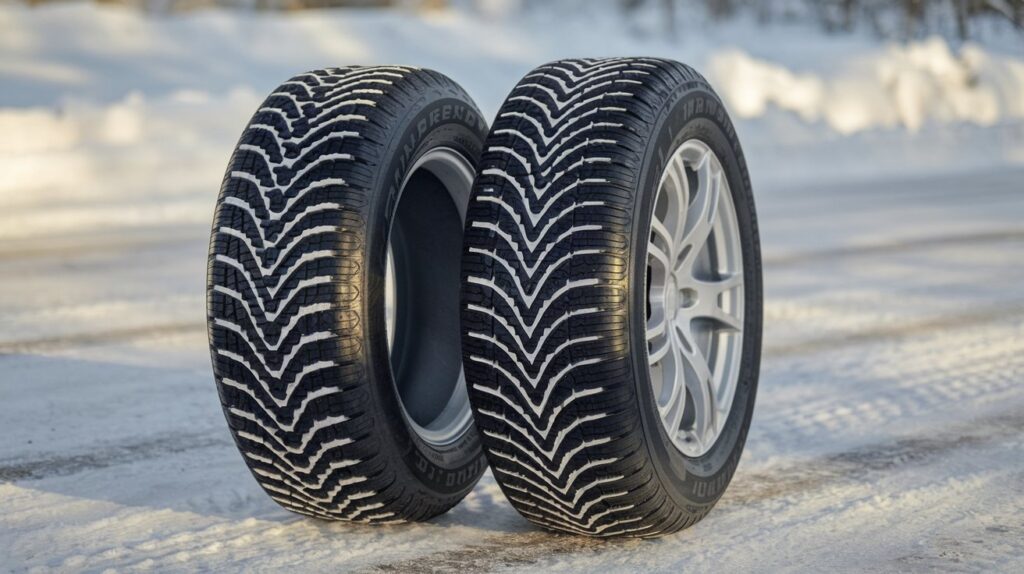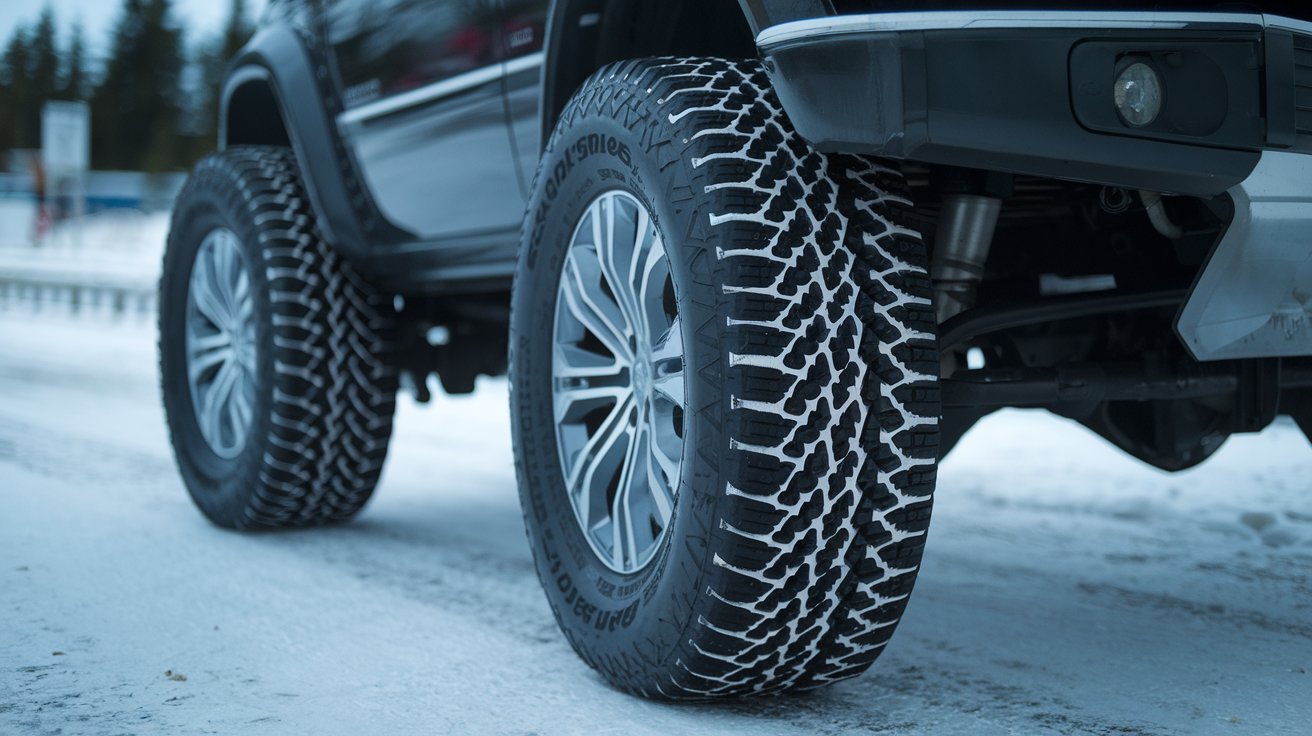
Knowing when to put on winter tires can mean the difference between safe winter driving and dangerous road conditions. The critical temperature threshold is 45°F (7°C), which is when summer and all-season tires begin losing grip. In the United States, most drivers should install winter tires between October and early November, depending on their region. This comprehensive guide provides state-specific timing recommendations, expert installation strategies, and answers to common questions about winter tire scheduling for 2026.
The 7-7 Rule for Winter Tire Installation
The 7-7 rule for winter tires is the industry-standard guideline that recommends installing winter tires when temperatures consistently drop to 7°C (45°F) and removing them when temperatures consistently rise above 7°C in spring. This rule exists because tire rubber compounds behave differently at various temperatures. Winter tire rubber remains flexible below 45°F, providing superior traction, while summer and all-season tires harden and lose grip at these temperatures.
Research from the Tire and Rubber Association of Canada demonstrates that winter tires provide up to 50% better traction than all-season tires when temperatures fall below 45°F. The second part of the 7-7 rule involves timing: install your winter tires seven days before the first anticipated snowfall in your region. This proactive approach ensures you’re prepared before hazardous conditions arrive, rather than scrambling during the first winter storm when tire shops experience overwhelming demand.
Regional Timing for Winter Tire Installation Across the United States
The optimal timing for installing winter tires varies significantly across different United States regions based on climate patterns and seasonal temperature changes. Understanding your local weather patterns is essential for determining the right installation window.
Northeast and Great Lakes States Timing
States including Maine, Vermont, New Hampshire, Michigan, Wisconsin, Minnesota, and upstate New York should typically install winter tires in mid-to-late October. These regions experience early temperature drops and significant snowfall starting in November. Historical weather data from 2025-2026 shows that temperatures in these areas consistently fall below 45°F by early November, making late October the ideal installation window. Popular ski destinations in Vermont and New Hampshire see tire shop bookings increase 300% by the first week of November, so scheduling your winter tire installation in early October helps avoid wait times.
Mountain West and Rocky Mountain States
Colorado, Wyoming, Montana, and Idaho drivers should consider installing winter tires between late September and mid-October. High-elevation areas can experience snowfall as early as September, and mountain passes often require winter tires or chains by October 1st. Colorado’s Department of Transportation reported that in 2025, Interstate 70 mountain corridors required traction devices starting September 28th. Residents of Denver, Boise, and other mountain-adjacent cities benefit from early October installation, while higher-elevation communities should target late September for maximum safety.
Pacific Northwest Winter Tire Schedule
Washington and Oregon drivers face unique considerations for winter tire timing. While coastal areas rarely need winter tires, regions east of the Cascades and mountainous areas require them. Spokane, Bend, and areas near mountain passes should install winter tires in late October. Washington State Patrol data shows that mountain passes like Stevens Pass and Snoqualmie Pass typically require traction tires starting November 1st. Portland and Seattle metro residents who travel to mountain recreation areas should install winter tires by early November to safely access ski resorts and mountain destinations.
Midwest and Central Plains States
Illinois, Indiana, Ohio, Iowa, Nebraska, and the Dakotas should target early-to-mid November for winter tire installation. These states experience variable winter weather, with significant cold arriving later than northern regions. Weather patterns from 2025 show consistent sub-45°F temperatures beginning in mid-November across most of this region. However, South Dakota and North Dakota residents should consider late October installation due to earlier winter conditions. Urban areas like Chicago, Cleveland, and Des Moines see optimal installation timing around November 1-7.
Is October Too Early to Put Winter Tires On?
For most United States regions, October is not too early for winter tire installation, and in many northern areas, it’s actually the ideal time. The concern about early installation centers on unnecessary wear, as winter tire rubber compounds wear faster on warm, dry pavement. However, modern winter tire technology has improved durability significantly since 2020.
Tire manufacturers including Bridgestone, Michelin, and Continental state that driving on winter tires in temperatures above 45°F causes accelerated tread wear but doesn’t damage the tires. The trade-off is minimal: approximately 1-2mm of additional wear over a season if you install in early October versus mid-November. This minor wear is offset by the safety advantage of being prepared for unexpected early winter storms. October 2025 saw surprise snowstorms across the Midwest and Northeast that caught thousands of drivers unprepared.
The strategic advantage of October installation includes avoiding the November rush at tire shops, securing better appointment times, and ensuring your vehicle is winter-ready before the first freeze. Tire industry data shows that shops are 60% less busy in early October compared to the first two weeks of November, meaning faster service and often better pricing on installation packages.
Temperature Triggers: When Cold Weather Demands Winter Tires
Understanding temperature-based triggers for winter tire installation provides more accuracy than calendar dates alone. The critical threshold remains 45°F (7°C) for consistent daily high temperatures. When your region’s forecast shows seven consecutive days with highs at or below 45°F, it’s time for winter tires.
Tire performance testing from the American Automobile Association (AAA) demonstrates that at 40°F, all-season tires require 20% more distance to stop compared to winter tires on cold pavement. At 32°F with ice present, the difference increases to 50% longer stopping distances. These performance gaps make temperature monitoring essential for timing your winter tire installation.
Smart approaches to temperature monitoring include checking 10-day forecasts starting in late September for northern states and mid-October for central states. When forecasts show sustained temperatures below 45°F, schedule your winter tire installation within 3-5 days. Many tire retailers now offer weather-triggered installation reminders through mobile apps, automatically notifying customers when local temperatures approach the 45°F threshold for three consecutive days.
Understanding Winter Tire Types and Selection
Selecting the right winter tire type impacts both performance and installation timing decisions. The three primary categories include studded winter tires, studless winter tires, and performance winter tires, each suited to different driving conditions and regional requirements.
Studless Winter Tires for Most Drivers
Studless winter tires represent the most popular choice for United States drivers, combining advanced rubber compounds with aggressive tread patterns featuring thousands of small sipes. These tires excel in temperatures below 45°F and provide excellent traction on snow, ice, and cold dry pavement. Leading models for 2026 include the Michelin X-Ice Snow, Bridgestone Blizzak WS90, and Continental VikingContact 7, all featuring improved ice grip technology. Studless tires can be installed as early as October without legal restrictions and perform well throughout the winter season until spring temperatures consistently exceed 50°F.
Studded Winter Tires and Legal Restrictions
Studded winter tires feature metal studs that dig into ice for maximum traction but face legal restrictions in many states. As of 2026, states including Illinois, Wisconsin, Mississippi, Texas, and Hawaii prohibit studded tires entirely. States that allow studded tires impose seasonal restrictions: Washington permits them October 1-March 31, Minnesota allows November 1-April 30, and Alaska permits year-round use. If your state allows studded tires and you frequently drive on icy roads, installation should align with the legal start date. However, studded tires require earlier removal in spring due to pavement damage concerns and legal end dates, making timing coordination essential for compliance.
All-Season vs All-Weather vs Winter Tires: Making the Right Choice
The confusion between all-season, all-weather, and winter tires affects installation timing decisions. All-season tires are designed for moderate conditions and lose effectiveness below 45°F. They’re suitable for southern states with mild winters but inadequate for regions with sustained freezing temperatures or snowfall.
All-weather tires represent a newer category carrying the Three-Peak Mountain Snowflake (3PMSF) symbol, indicating they meet winter traction standards while remaining usable year-round. Popular models include the Michelin CrossClimate2 and Goodyear Assurance WeatherReady. These tires eliminate seasonal changeovers, making them attractive for moderate winter climates like Seattle, Portland, and parts of the Mid-Atlantic. However, dedicated winter tires still outperform all-weather tires in severe winter conditions.
For drivers in areas with harsh winters—Minnesota, Michigan, Colorado mountains, or northern New England—dedicated winter tires remain the safest choice. The performance advantage in extreme conditions justifies the twice-yearly changeover. Budget analysis shows that running winter tires seasonally extends their lifespan to 5-6 seasons, while all-weather tires typically last 4 seasons, making the cost difference minimal over time while providing superior cold-weather safety.
Identifying True Winter Tires: The Three-Peak Mountain Snowflake Symbol
The Three-Peak Mountain Snowflake (3PMSF) symbol serves as the official designation for tires meeting winter traction performance standards. This symbol appears on the tire sidewall and indicates the tire has passed standardized snow traction testing. As of 2026, only tires displaying this symbol qualify as true winter tires for insurance purposes and legal requirements in states with winter tire laws.
The 3PMSF testing standard requires tires to demonstrate a traction index of 110 or higher on medium-packed snow compared to a reference tire. This objective standard ensures consistent performance regardless of brand or marketing claims. When shopping for winter tires, verify the 3PMSF symbol on the sidewall rather than relying on names like ‘Winter’ or ‘Snow,’ as some manufacturers use these terms for tires that don’t meet the performance threshold.
Beyond the 3PMSF symbol, quality winter tires feature specific construction elements including higher natural rubber content that remains flexible in cold temperatures, dense siping patterns (small cuts in tread blocks) exceeding 1,000 sipes per tire, and tread depths of 10/32 inches or greater when new. These features work together to provide the traction advantage that makes proper installation timing so critical.
Consequences of Installing Winter Tires Too Early or Too Late
Installing winter tires too early results in accelerated tread wear and slightly reduced fuel economy. When operated in temperatures above 50°F, the soft rubber compounds that provide winter traction wear approximately 15% faster than optimal conditions. A set of premium winter tires costing $800-1,200 might experience $50-100 in additional wear from four weeks of early-season driving in warm conditions. This minor cost is typically acceptable compared to the risk of being unprepared for early winter weather.
The consequences of installing winter tires too late are far more serious. Department of Transportation statistics show that the first significant snowfall of each season produces 300% more accidents than subsequent storms as drivers are unprepared. November 2025 saw major pile-ups across Michigan, Ohio, and Pennsylvania during the season’s first snow event, with 68% of involved vehicles lacking proper winter tires. Beyond accident risk, late installation means scheduling difficulties as tire shops experience 2-3 week backlogs during peak November demand.
Financial implications also favor earlier installation. Many tire retailers offer early-bird discounts of 10-15% for October installations, and insurance companies including State Farm and Progressive provide premium discounts up to 5% for winter tire use. These savings offset any minimal early-season wear, making the strategic timing of late October installation both safer and more economical for most northern United States drivers.
Professional Installation vs DIY: Timing Considerations
The choice between professional installation and DIY affects timing flexibility and preparation requirements. Professional installation at tire shops typically requires appointments scheduled 1-3 weeks in advance during peak season (late October through mid-November). Early October appointments offer same-day or next-day service, while November often means extended waits.
DIY installation provides maximum timing flexibility but requires proper equipment including a quality floor jack rated for your vehicle’s weight, jack stands for safety, a torque wrench for proper lug nut tightening (typically 80-100 ft-lbs for passenger vehicles), and ideally a tire pressure monitoring system (TPMS) tool for sensor programming. The process takes 45-90 minutes for experienced individuals but can exceed two hours for first-timers.
Professional installation costs range from $15-30 per tire ($60-120 total) and includes proper torque specifications, TPMS sensor handling, and tire balancing. Many shops offer free installation with tire purchase or seasonal changeover packages at $50-80 that include mounting, balancing, and storage of off-season tires. For drivers changing tires twice annually, professional service saves time and ensures proper installation, while DIY approaches work well for mechanically inclined individuals with proper equipment and storage space.
Winter Tire Storage and Seasonal Rotation Planning
Effective winter tire storage extends tire lifespan and simplifies seasonal transitions. When removing winter tires in spring (typically when temperatures consistently exceed 50°F for seven consecutive days), proper storage prevents dry rot and maintains rubber integrity. Tires should be cleaned to remove road salt and debris, dried completely, and stored in a cool, dry location away from direct sunlight and ozone sources like electric motors.
Storage methods include tire bags or covers that protect against UV exposure and moisture, vertical stacking for tires without rims (maximum four tires high), and horizontal storage or wall mounting for tires mounted on rims. Temperature-controlled storage is ideal, maintaining 50-70°F and preventing the rubber degradation that occurs in extreme heat or cold. Many tire retailers offer seasonal storage services for $50-100 annually, eliminating home storage challenges and including installation changeovers.
Planning your seasonal rotation schedule in advance streamlines the process. Mark your calendar for late October installation and late April removal as baseline dates, adjusting based on actual weather patterns. Set reminders 30 days before each transition to schedule professional installation or prepare DIY equipment. This proactive approach prevents last-minute scrambling and ensures your vehicle always has appropriate tires for current conditions, maximizing both safety and tire longevity.
Insurance Implications and Winter Tire Requirements
While the United States has no federal winter tire requirements, insurance companies increasingly recognize winter tire benefits through premium discounts and coverage considerations. As of 2026, major insurers including State Farm, Allstate, and Progressive offer winter tire discounts ranging from 2-5% in northern states. These discounts apply from November through March when winter tires are installed, potentially saving $30-100 annually on comprehensive policies.
To qualify for insurance discounts, most companies require documentation including installation receipts showing winter tires with the 3PMSF symbol, photographs of installed tires clearly showing the snowflake symbol, and sometimes odometer readings to verify seasonal use. Submit this documentation to your insurance agent in November after installation, and reconfirm each season as policies renew.
Some insurance policies include accident forgiveness provisions with modified terms for winter tire use. Certain insurers reduce deductibles by $100-250 for winter accidents when winter tires were properly installed, recognizing the driver’s proactive safety measures. Conversely, a few policies include clauses that could affect claims if accidents occur during winter conditions without proper tires installed, though this remains rare and typically applies only to commercial policies. Always review your specific policy language and discuss winter tire provisions with your insurance agent to understand your coverage implications.
When to Remove Winter Tires in Spring
Knowing when to remove winter tires is equally important as installation timing. The same 45°F threshold applies: when daily high temperatures consistently exceed 45°F for seven consecutive days, winter tire removal should be scheduled. For most United States regions, this occurs between late March and early May depending on latitude and elevation.
Southern portions of winter tire territory including southern Illinois, Indiana, Ohio, and lower-elevation areas of Colorado typically reach this threshold in late March to early April. Central regions including Chicago, Detroit, and Minneapolis generally hit the removal window in mid-to-late April. Northern areas such as northern Minnesota, Michigan’s Upper Peninsula, and high-elevation mountain communities may not reach consistent warm temperatures until early May.
Removing winter tires promptly when temperatures rise provides several benefits: reduced tread wear (winter tires can wear 25% faster in warm conditions), improved fuel economy (winter tires create more rolling resistance, reducing MPG by 1-3%), better handling in warm weather (winter rubber becomes too soft above 50°F, reducing steering precision), and extended tire lifespan overall. However, avoid removing winter tires prematurely. Late-season snowstorms can occur through April in northern states, and having winter tires available for unexpected cold snaps provides valuable safety insurance during the unpredictable spring transition period.
Related video about when to put on winter tires
This video complements the article information with a practical visual demonstration.
Questions & Answers
What is the 7-7 rule for winter tires?
The 7-7 rule for winter tires states that you should install winter tires when temperatures consistently drop to 7°C (45°F) and remove them when temperatures consistently rise above 7°C in spring. The rule also recommends installing winter tires seven days before the first anticipated snowfall in your region. This guideline exists because tire rubber compounds change their properties at this temperature threshold—winter tires maintain flexibility and grip below 45°F, while all-season tires harden and lose traction. Following this rule ensures optimal tire performance throughout the winter season while avoiding unnecessary wear during warmer periods.
Is it bad to put on winter tires too early?
Putting on winter tires too early is not bad for safety but does cause slightly accelerated tread wear. Winter tire rubber compounds are designed to remain flexible in cold temperatures, which makes them softer and subject to faster wear when used in temperatures above 50°F. However, modern winter tires are much more durable than older designs, and the additional wear from installing in early October versus mid-November amounts to approximately 1-2mm of tread over a season—a minimal cost compared to being unprepared for early winter storms. The strategic advantages of early installation include avoiding the November rush at tire shops, securing better appointment times, and ensuring your vehicle is prepared before the first freeze.
When should I get my winter tires put on based on my location?
Winter tire installation timing varies by United States region. Northeast and Great Lakes states (Maine, Vermont, Michigan, Minnesota, Wisconsin) should install winter tires in mid-to-late October. Mountain West states (Colorado, Wyoming, Montana) benefit from late September to mid-October installation, especially at higher elevations. Pacific Northwest mountain areas should target late October, while Midwest and Central Plains states (Illinois, Indiana, Ohio, Iowa) should aim for early-to-mid November. The most accurate approach is monitoring temperature forecasts—install winter tires when seven consecutive days show high temperatures at or below 45°F, typically occurring 2-4 weeks before the first significant snowfall in your area.
Can I use all-weather tires instead of changing to winter tires seasonally?
All-weather tires carrying the Three-Peak Mountain Snowflake (3PMSF) symbol provide adequate winter traction for moderate winter climates and eliminate seasonal changeovers. They work well for regions like Seattle, Portland, and Mid-Atlantic areas with occasional winter weather but mild overall conditions. However, dedicated winter tires outperform all-weather tires in severe winter conditions by 15-25% in terms of braking distance and cornering grip. For drivers in harsh winter climates like Minnesota, Michigan, Colorado mountains, or northern New England, dedicated winter tires remain the safest choice. Cost analysis shows minimal long-term difference since seasonal winter tire use extends their lifespan to 5-6 seasons while all-weather tires typically last 4 seasons.
Do winter tires really make a difference compared to all-season tires?
Winter tires make a significant measurable difference in cold-weather performance compared to all-season tires. Testing by the American Automobile Association (AAA) demonstrates that at 40°F, all-season tires require 20% more distance to stop compared to winter tires on cold pavement. At 32°F with ice present, the difference increases to 50% longer stopping distances. Winter tires achieve this performance advantage through specialized rubber compounds that remain flexible below 45°F, tread patterns with 1,000+ sipes that grip snow and ice, and deeper tread depths (10/32 inches new versus 8/32 inches for many all-season tires). The Tire and Rubber Association research shows winter tires provide up to 50% better traction in snow and ice conditions, making them essential safety equipment for winter driving in northern climates.
How much does it cost to install and maintain winter tires?
Winter tire costs include initial purchase ($400-1,200 for a set of four quality tires), professional installation ($60-120 per changeover, twice annually), and optional storage ($50-100 per year). However, these costs are offset by several factors: all-season tires last longer when not used in winter, reducing replacement frequency; many insurance companies offer 2-5% premium discounts for winter tire use; and early-season installation discounts of 10-15% are common. Over a five-year period with proper rotation and storage, winter tire use costs approximately $150-200 annually more than all-season-only operation, but provides substantially improved safety. Many tire retailers offer package deals including installation, storage, and seasonal changeovers for $200-300 annually, simplifying budgeting and logistics.
| Region/Factor | Recommended Installation Timing | Key Considerations |
|---|---|---|
| Northeast & Great Lakes | Mid-to-late October | Early temperature drops, significant snowfall by November |
| Mountain West States | Late September to mid-October | High elevation snowfall, mountain pass requirements |
| Pacific Northwest Mountains | Late October | Mountain access, pass traction requirements by November 1 |
| Midwest & Central Plains | Early-to-mid November | Later winter onset, variable weather patterns |
| Temperature Trigger | When temps reach 45°F consistently | 7-7 rule: 7°C threshold, 7 days before first snow |
| Removal Timing | Late March to early May | When temps exceed 45°F for 7 consecutive days |