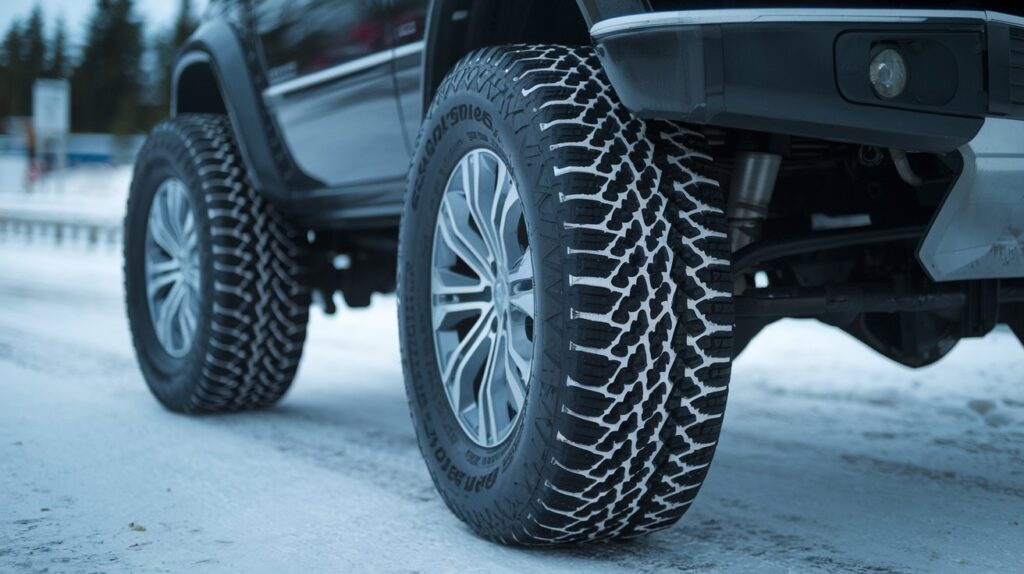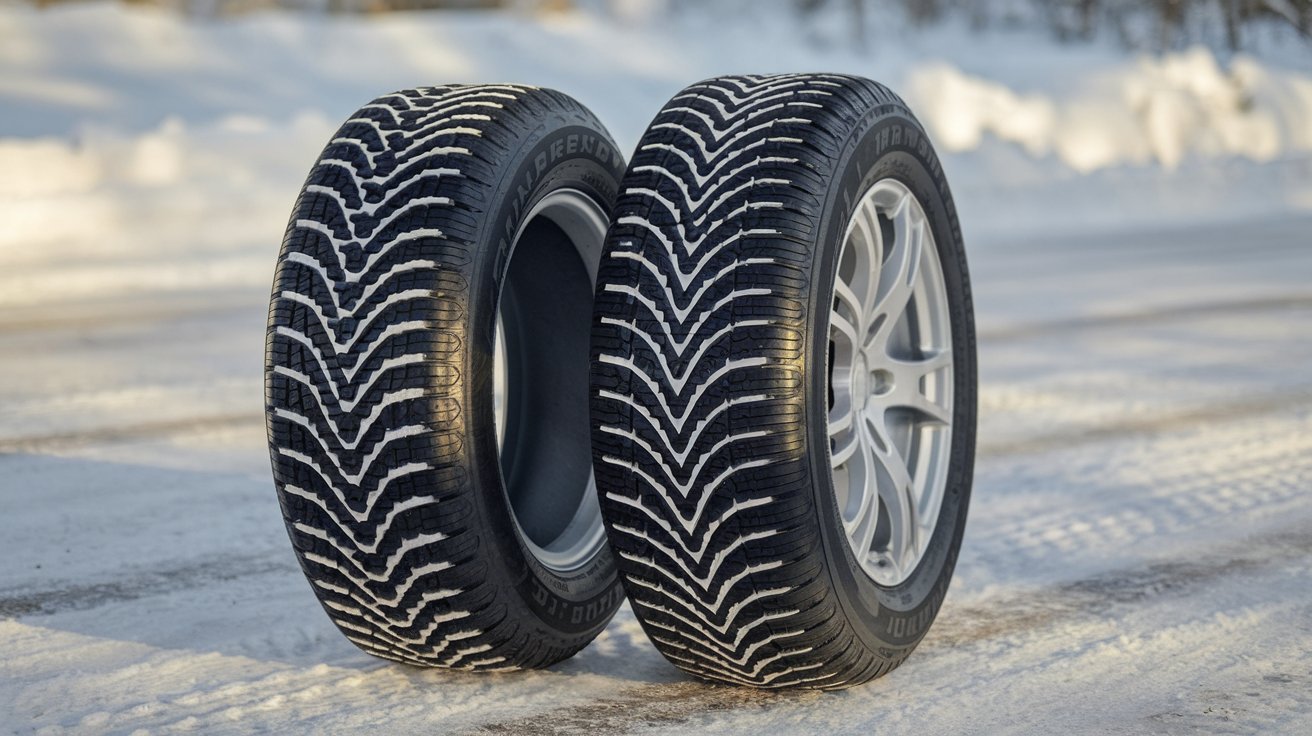
Winter tires typically last between 4 to 6 winter seasons or approximately 25,000 to 40,000 miles under normal driving conditions in the United States. The actual lifespan depends on multiple factors including driving habits, road conditions, proper storage, and tire maintenance. Understanding when to replace your winter tires ensures optimal safety during cold weather months while maximizing your investment.
Average Lifespan of Winter Tires in 2026
Most winter tires manufactured in 2026 are engineered to provide reliable performance for 4 to 6 seasons when used exclusively during winter months. In the United States, this translates to approximately 6,000 to 10,000 miles per season, depending on your geographic location and typical winter driving conditions. Northern states like Minnesota, Wisconsin, and Michigan where winter tires are used for longer periods may see slightly reduced seasonal longevity compared to regions with shorter winters.
The rubber compound in winter tires begins to lose effectiveness after approximately 6 years, regardless of tread depth remaining. This occurs because the specialized rubber designed for cold weather flexibility gradually hardens through oxidation and exposure to environmental elements. Even tires stored properly will experience compound degradation, making the manufacturing date stamped on your tire sidewall a critical factor in determining replacement timing.
Inspecting Your Winter Tires for Wear
Regular inspection of your winter tire condition helps identify when replacement becomes necessary. Before each winter season begins, conduct a thorough examination to ensure your tires meet safety standards and will perform adequately throughout the cold months ahead. This preventive approach can prevent dangerous situations on icy or snow-covered roads.
Checking Tread Depth
The minimum legal tread depth for winter tires in most United States jurisdictions is 2/32 of an inch, but winter tire performance significantly diminishes well before reaching this threshold. Safety experts recommend replacing winter tires when tread depth reaches 5/32 of an inch, as the ability to evacuate snow and slush deteriorates rapidly below this measurement. You can measure tread depth using a dedicated gauge available at auto parts stores for approximately $5 to $10, or use the quarter test where inserting a quarter into the tread with Washington’s head facing down should have the top of his head covered by tread.
Modern winter tires manufactured in 2026 feature built-in wear indicators located in the tread grooves that become flush with the surrounding tread when replacement is needed. These indicators provide a quick visual reference without requiring measurement tools. Additionally, many premium winter tire brands now include colored wear bars that change appearance as the tire wears, making assessment even more straightforward for vehicle owners.
Identifying Visible Damage
Beyond tread depth, examine your winter tires for visible damage including sidewall cracks, bulges, punctures, or embedded debris. Cracks in the sidewall often indicate age-related deterioration where the rubber has lost its elasticity and structural integrity. Any bulges suggest internal belt damage that can lead to sudden tire failure, particularly dangerous during winter driving conditions. Even small punctures in the tread area measuring over 1/4 inch in diameter typically cannot be safely repaired and necessitate tire replacement.
Look for uneven wear patterns across the tread surface, which may indicate alignment issues, improper inflation, or suspension problems with your vehicle. Cupping or scalloping appears as dips around the tire circumference and suggests worn suspension components. Center wear indicates chronic overinflation, while excessive edge wear points to underinflation. Addressing these underlying mechanical issues prevents premature wear on your replacement winter tires.
Key Factors Affecting Winter Tire Lifespan
Multiple variables influence how long your winter tires will provide safe, effective performance. Understanding these factors allows you to maximize tire longevity while maintaining optimal winter driving safety throughout their service life.
Driving Habits and Patterns
Your driving style significantly impacts winter tire wear rates. Aggressive acceleration, hard braking, and high-speed cornering generate excessive heat and friction that accelerate rubber degradation. In 2026, studies show that aggressive drivers can reduce winter tire lifespan by 30 to 40 percent compared to those with moderate driving habits. Frequent short trips where tires don’t reach optimal operating temperature can also reduce longevity, as can consistent highway driving at sustained high speeds.
The annual mileage you accumulate during winter months directly correlates with tire wear. Drivers in the United States who commute long distances or frequently travel during winter may only achieve 3 to 4 seasons from their winter tires, while occasional drivers might extend usability to 7 or 8 seasons before tread depth becomes inadequate or rubber compound deterioration necessitates replacement.
Road and Weather Conditions
The surfaces you regularly drive on substantially affect winter tire longevity. Cleared, dry pavement is significantly more abrasive to winter tire rubber than snow or ice, accelerating tread wear. Urban drivers who experience mostly cleared roads may see faster wear compared to rural drivers who navigate snow-covered surfaces more frequently. Rough, potholed roads common in many northern United States cities during winter create additional stress on tire structure and can cause premature damage.
Exposure to road salt and de-icing chemicals used extensively across the United States during winter months can deteriorate rubber compounds over time. These chemicals are particularly harsh in the salt belt states stretching from the Midwest through the Northeast. Regular cleaning of your tires and wheels helps minimize chemical exposure damage and extends tire life.
Proper Tire Maintenance
Maintaining correct tire pressure throughout winter is crucial for maximizing lifespan. Cold temperatures cause air to contract, reducing tire pressure by approximately 1 PSI for every 10-degree Fahrenheit drop. Underinflated tires wear prematurely on outer edges and generate excessive heat buildup, while overinflation causes accelerated center tread wear. Check your winter tire pressure at least monthly and before any long trips, adjusting to the vehicle manufacturer’s recommended PSI found on the driver’s door jamb.
Regular tire rotation every 5,000 to 8,000 miles promotes even wear across all four tires, potentially extending their collective lifespan by 20 percent or more. Front tires on front-wheel-drive vehicles, which represent the majority of passenger cars in the United States market, wear faster due to steering and drive forces. Proper wheel alignment and balanced wheels also contribute significantly to even wear patterns and maximum tire longevity.
Tire Age and Storage Conditions
Even with adequate tread depth remaining, winter tires should be replaced after 6 to 10 years from their manufacturing date due to rubber compound degradation. The manufacturing date is stamped on the tire sidewall as a four-digit DOT code, with the first two digits representing the week and last two digits the year of manufacture. A tire stamped 1426 was manufactured in the 14th week of 2026. Most tire manufacturers recommend replacement at 6 years, while some extend this to 10 years maximum regardless of appearance or tread depth.
Proper off-season storage significantly extends winter tire life. Store tires in a cool, dry, dark location away from direct sunlight, ozone sources like electric motors, and petroleum products. Ideal storage temperature ranges between 50 and 70 degrees Fahrenheit with moderate humidity levels. Tires mounted on wheels can be stacked or hung, while unmounted tires should stand upright and be rotated quarterly to prevent flat spotting. Professional tire storage services available at many United States tire retailers in 2026 typically cost $60 to $120 per season and ensure optimal storage conditions.
How Often Should Winter Tires Be Replaced
Replace your winter tires when tread depth reaches 5/32 of an inch or less, when visible damage compromises structural integrity, or when the tires reach 6 years of age regardless of remaining tread. Professional tire inspections before each winter season help identify replacement needs you might overlook during casual visual checks. Many tire retailers in the United States offer free inspections and can provide detailed assessments of remaining tire life.
Consider proactive replacement rather than reactive approaches to winter tire management. Waiting until tires are completely worn risks being caught unprepared when winter weather arrives suddenly. Planning replacement during off-season sales periods, typically in spring or early fall, can save 15 to 30 percent compared to emergency purchases during peak winter demand when selection may also be limited.
Winter Tires vs All-Season Tires Longevity
All-season tires typically last 50,000 to 70,000 miles or approximately 3 to 5 years when used year-round in the United States, significantly longer than winter tires when compared mile-for-mile. However, this comparison is misleading because winter tires are designed exclusively for cold weather performance and should only be used seasonally. The specialized soft rubber compound that provides superior winter traction wears much faster on warm, dry pavement compared to the harder compound used in all-season tires.
Many United States drivers question whether all-season tires eliminate the need for dedicated winter tires. While all-season tires offer convenience and longer lifespan, they compromise winter performance significantly compared to true winter tires. Testing conducted in 2026 shows winter tires reduce stopping distances on ice by 30 to 40 percent compared to all-season tires, a potentially life-saving difference. The investment in winter tires, despite their shorter individual lifespan, provides superior safety during cold weather months below 45 degrees Fahrenheit.
Using Winter Tires Year-Round: Impact on Lifespan
Operating winter tires year-round dramatically reduces their lifespan to as little as 15,000 to 25,000 miles, potentially lasting only 1 to 2 years for average United States drivers. The soft rubber compound designed for cold weather flexibility becomes excessively soft in warm temperatures, causing accelerated tread wear on hot pavement. Additionally, the aggressive tread pattern designed for snow and ice traction creates increased road noise and reduced fuel efficiency when used in warmer months.
Beyond accelerated wear, year-round winter tire use compromises warm weather performance including longer stopping distances on dry pavement, reduced handling precision, and increased hydroplaning risk during summer rainstorms. The financial and performance penalties make seasonal tire swapping the recommended approach. The cost of purchasing and maintaining separate winter and summer or all-season tire sets is offset by each set lasting their intended lifespan and providing optimal performance in their designed conditions.
How Long Do Winter Tires Last in Storage
Properly stored winter tires can maintain performance for their full 6 to 10 year lifespan, though the rubber compound gradually degrades even without use. The key to maximizing storage life involves protecting tires from the primary degradation factors: ultraviolet light, ozone exposure, extreme temperatures, and petroleum product contamination. Tires stored in climate-controlled environments with stable temperatures between 50 and 70 degrees Fahrenheit experience minimal degradation between seasons.
Professional tire storage facilities available throughout the United States in 2026 offer optimal conditions and eliminate the need for home storage space. These facilities typically include climate control, pest prevention, and insurance coverage for stored tires. Many also provide seasonal mounting and balancing services as part of storage packages. For DIY storage, clean tires thoroughly before storing, place them in opaque plastic bags to minimize ozone exposure, and store in your coolest interior space like a basement rather than in garages or sheds subject to temperature extremes.
Cost Considerations for Winter Tire Replacement
Budget $400 to $800 for a set of four quality winter tires for typical passenger vehicles in the United States during 2026, with premium performance models ranging from $800 to $1,200 or more. Installation, mounting, and balancing typically add $80 to $150 to the total cost. Many tire retailers offer package deals including disposal fees for old tires, which can range from $10 to $25 when purchased separately.
Consider the long-term value proposition when selecting winter tires. Premium brands offering longer tread life warranties and superior performance may cost 30 to 50 percent more initially but can provide better value over their lifespan through extended usability and enhanced safety. Additionally, some insurance companies in northern United States states offer premium discounts of 5 to 10 percent for vehicles equipped with winter tires, potentially offsetting replacement costs over time. Factor in seasonal changeover costs of $40 to $80 twice annually if not storing tires on dedicated wheels for DIY swapping.
Signs You Need New Winter Tires Immediately
Several warning signs indicate immediate replacement necessity regardless of tread depth or tire age. Any visible cord or fabric showing through the tread means the tire structure is compromised and poses serious safety risks. Sidewall bubbles or bulges indicate internal belt separation that can cause sudden catastrophic failure. Deep cuts or gashes penetrating beyond the tread surface into the tire structure also mandate immediate replacement.
Performance changes also signal replacement needs including noticeably reduced traction on snow or ice compared to previous seasons, even with adequate tread depth. This suggests rubber compound hardening due to age. Increased vibration or pulling to one side while driving may indicate internal tire damage not visible externally. If you experience any of these conditions, have your winter tires professionally inspected immediately and replaced if necessary before continuing to drive in winter conditions.
Related video about how long do winter tires last
This video complements the article information with a practical visual demonstration.
Everything you need to know about how long do winter tires last
How often should winter tires be replaced?
Replace winter tires every 4 to 6 seasons or when tread depth reaches 5/32 of an inch, whichever comes first. Additionally, replace tires that reach 6 years of age from their manufacturing date regardless of remaining tread depth, as rubber compounds degrade over time and lose their cold weather effectiveness. Regular pre-season inspections help identify replacement needs before winter weather arrives, ensuring optimal safety throughout the cold months.
What is the 3% tire rule?
The 3 percent tire rule refers to maintaining tread depth differences of no more than 3/32 of an inch between tires on the same axle or vehicle, particularly important for all-wheel-drive systems. Exceeding this difference can cause drivetrain stress and damage. For winter tires specifically, this means replacing all four tires together when one or two reach the replacement threshold, rather than replacing individual tires. Matching tread depths ensures balanced traction and vehicle stability on winter roads.
Do winter tires wear out faster than all-season tires?
Yes, winter tires wear significantly faster than all-season tires when used in warm weather conditions due to their softer rubber compound. However, when used only during winter months as intended, winter tires wear at comparable rates to all-season tires in similar conditions. The key factor is seasonal use—keeping winter tires on during spring and summer can reduce their lifespan by 50 percent or more. Proper seasonal swapping ensures each tire type lasts its intended lifespan while providing optimal performance.
Can I still use 7 year old winter tires?
Seven year old winter tires should generally be replaced even if tread depth appears adequate. The rubber compound in winter tires degrades over time through oxidation and environmental exposure, losing the flexibility needed for cold weather traction. Most tire manufacturers recommend replacement at 6 years, with 10 years being the absolute maximum regardless of condition. Tires older than 6 years may look acceptable but have significantly compromised performance and safety characteristics, particularly in critical winter driving situations.
How many miles can you drive on winter tires?
Winter tires typically last 25,000 to 40,000 miles when used exclusively during winter months under normal driving conditions. Actual mileage varies based on driving habits, road conditions, vehicle type, and maintenance practices. Aggressive driving can reduce this to 15,000 to 20,000 miles, while conservative driving with proper maintenance may extend mileage beyond 40,000. However, always prioritize the 6-year age limit over mileage, as time-based degradation occurs regardless of how many miles the tires have accumulated.
Should I buy winter tires if I have all-wheel drive?
Yes, winter tires provide significant safety benefits even on all-wheel-drive vehicles. While all-wheel drive helps with acceleration and climbing slippery hills, it does not improve stopping ability or cornering grip. Winter tires reduce stopping distances on ice by 30 to 40 percent compared to all-season tires regardless of drivetrain type. Many northern United States regions experience conditions where winter tires are essential for safe operation, and some states offer insurance discounts for their use on any vehicle type during winter months.
| Key Aspect | Important Details | Benefit |
|---|---|---|
| Average Lifespan | 4-6 winter seasons or 25,000-40,000 miles | Predictable replacement planning and budgeting |
| Replacement Threshold | 5/32 inch tread depth or 6 years age | Maintains optimal winter safety performance |
| Proper Storage | Cool, dry, dark location at 50-70°F | Extends tire life to full 6-10 year potential |
| Seasonal Use Only | Remove when temperatures exceed 45°F | Prevents accelerated wear and maximizes lifespan |
| Regular Inspections | Check tread depth and damage before each season | Early identification of replacement needs |
| Proper Maintenance | Correct pressure, rotation every 5,000-8,000 miles | 20% longer lifespan through even wear |