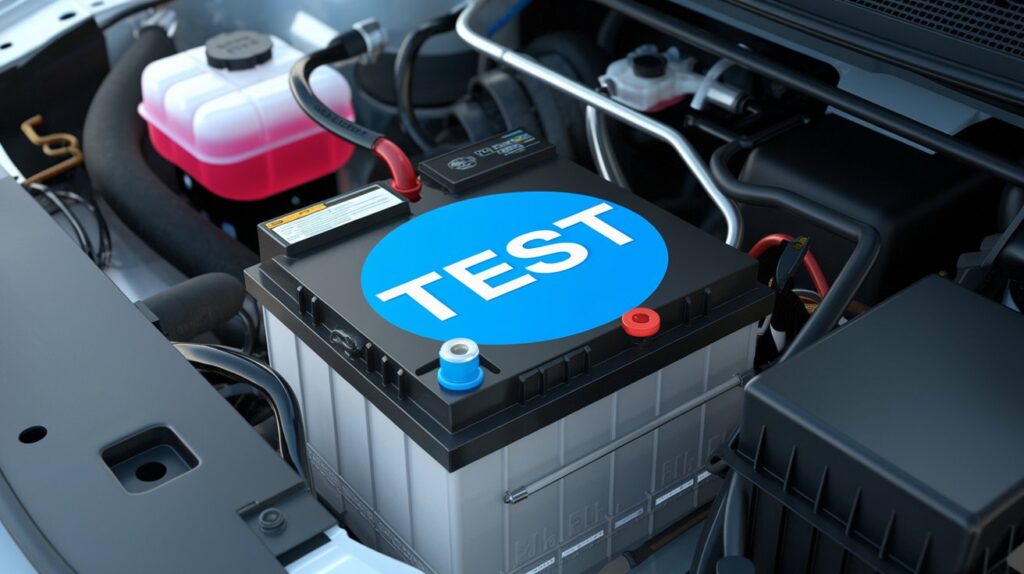
Charging a car battery is an essential skill that every vehicle owner should master. Whether dealing with a dead battery on a cold morning or maintaining your vehicle’s electrical system, understanding the proper way to charge a battery can save hundreds of dollars in service costs. This comprehensive guide covers everything from selecting the right battery charger to executing safe charging procedures at home, ensuring your vehicle starts reliably every time.
Understanding Car Battery Basics and Charging Voltage
Modern car batteries in the United States typically operate at 12 volts, though the actual charging voltage required is higher to overcome internal resistance and chemical processes. A standard 12V battery requires approximately 13.8 to 14.4 volts for proper charging, while the voltage during active charging can reach 14.8 volts depending on the charger type and battery condition. Understanding these voltage parameters is crucial for selecting the appropriate charging method and avoiding battery damage.
The battery chemistry in most vehicles uses lead-acid technology, which has remained the standard since automotive electrification began. However, 2026 has seen increased adoption of AGM (Absorbent Glass Mat) and lithium-ion batteries in newer vehicles, each requiring specific charging protocols. AGM batteries, common in vehicles from manufacturers like Mazda and other modern brands, need lower charging currents and more precise voltage control to prevent damage and extend lifespan.
Selecting the Right Battery Charger for Your Vehicle
Choosing an appropriate battery charger determines both the safety and effectiveness of your charging process. In 2026, smart chargers have become the gold standard for home charging applications, offering microprocessor-controlled charging that automatically adjusts voltage and current based on battery condition. These intelligent devices prevent overcharging, a common cause of battery failure that costs American drivers an estimated $3.2 billion annually in premature battery replacements.
Popular Charger Options: Bosch and Beyond
The Bosch C3 battery charger represents an excellent example of modern smart charging technology. This charger automatically detects battery voltage (6V or 12V) and adjusts its charging profile accordingly, making it suitable for motorcycles, cars, and small trucks. The Bosch C3 delivers up to 3.8 amps of charging current and includes a maintenance mode perfect for vehicles stored during winter months, automatically switching to trickle charging once the battery reaches full capacity.
Other recommended battery charger brands for 2026 include NOCO Genius models, Battery Tender Plus, and Schumacher units, all offering similar smart-charging capabilities. When selecting a charger, consider the amperage rating: 2-4 amp chargers work well for maintenance and overnight charging, while 10-40 amp models provide faster charging for completely depleted batteries. For home use, a 4-10 amp smart charger offers the best balance between charging speed and battery longevity.
Charger Features Essential for Safe Home Charging
Modern battery chargers include several safety features critical for home use. Reverse polarity protection prevents damage if you accidentally connect cables incorrectly, while spark-proof technology eliminates the risk of ignition near battery gases. Overcharge protection automatically reduces current when the battery approaches full capacity, preventing the excessive gassing and heat that can warp battery plates and reduce lifespan significantly.
Temperature compensation represents another valuable feature in quality chargers, adjusting charging voltage based on ambient temperature. In 2026, this feature has become standard in mid-range and premium models, recognizing that batteries in cold climates like Minnesota require different charging parameters than those in warm states like Arizona. Additional features like LCD displays showing charge percentage and battery health diagnostics help you monitor the charging process and identify batteries nearing end-of-life.
The Proper Way to Charge a Car Battery Step-by-Step
Following the proper way to charge a car battery ensures both personal safety and optimal battery performance. Before beginning, always work in a well-ventilated area, as batteries emit hydrogen gas during charging—a highly flammable substance that can ignite from sparks or open flames. Remove any jewelry that could create short circuits, and wear safety glasses to protect against potential acid splashes.
Preparing the Battery and Work Area
Start by inspecting the battery for visible damage, including cracks, bulges, or leaking acid. If you notice any of these conditions, the battery requires replacement rather than charging. Clean the battery terminals with a wire brush and baking soda solution to remove corrosion, which can impede electrical flow and reduce charging efficiency. For batteries still installed in the vehicle, decide whether to charge in-place or remove the battery—removal is safer but not always necessary with modern chargers.
If charging the battery while installed in your vehicle, turn off the ignition and all electrical accessories. Many experts recommend disconnecting the negative cable first to prevent accidental shorts, though some 2026 vehicles with complex electronic systems may lose radio presets or require computer resets if disconnected. Consult your vehicle manual for manufacturer recommendations. For home charging convenience, ensure your charging location has access to a standard 120V household outlet and provides adequate ventilation.
Connecting the Charger Correctly
Connect the battery charger before plugging it into the wall outlet to prevent sparking. Attach the red positive clamp to the positive terminal (marked with a + symbol) first, ensuring a tight connection on clean metal. Then connect the black negative clamp to the negative terminal (marked with -) or, for added safety, to an unpainted metal surface on the engine block away from the battery. This grounding technique reduces the risk of ignition if hydrogen gas is present near the battery.
Double-check all connections before proceeding with the charging process. Loose connections can cause arcing, overheating, and inefficient charging. Once connections are secure, plug the charger into the wall outlet and select the appropriate charging mode if your device offers multiple options. Smart chargers like the Bosch C3 typically start automatically once connected, while manual chargers may require you to select voltage and amperage settings based on your battery specifications.
Monitoring the Charging Process
Modern battery chargers provide visual indicators showing charging progress, typically through LED lights or digital displays. A standard charging session for a moderately depleted battery takes 4-12 hours at 4-10 amps, while completely dead batteries may require 24 hours or more. Faster charging at higher amperages is possible but generates more heat and can reduce battery lifespan, making slow overnight charging the preferred method for home applications.
Check the battery periodically during charging, feeling for excessive heat. Mild warmth is normal, but if the battery becomes hot to touch or you notice swelling, immediately disconnect the charger. These symptoms indicate internal battery failure or charging malfunction. Most smart chargers automatically switch to maintenance mode when charging completes, providing a small trickle current that keeps the battery at optimal voltage without overcharging—perfect for vehicles stored for extended periods.
How to Charge a Car Battery at Home Safely
Charging your car battery at home offers significant convenience and cost savings compared to professional services, but requires attention to safety protocols. The primary hazards include electrical shock, chemical burns from battery acid, and explosion risk from hydrogen gas accumulation. Following established safety procedures eliminates these risks, making home charging as safe as any other automotive maintenance task.
Always charge batteries in garages, carports, or outdoor areas with adequate air circulation. Never charge a battery in occupied living spaces where hydrogen gas could accumulate. Keep the charging area free from flammable materials, open flames, and spark sources including cigarettes, pilot lights, and electrical switches. Position the charger as far from the battery as cable length permits to minimize exposure to any gases released during the charging process.
Safety Equipment and Precautions
Personal protective equipment enhances safety when charging batteries at home. Safety glasses protect your eyes from acid splashes or exploding battery fragments in worst-case scenarios. Rubber gloves provide protection when handling batteries and prevent acid burns if you need to clean terminals. Keep a box of baking soda nearby to neutralize any acid spills—simply sprinkle it on the affected area until fizzing stops, then clean with water.
Maintain a fire extinguisher rated for electrical fires (Class C) in your charging area. While battery fires are rare with modern chargers, preparedness prevents minor incidents from becoming disasters. Ensure children and pets cannot access the charging area, as both battery acid and electrical connections present serious hazards. Post charging times in 2026 typically occur overnight, so securing the area before leaving it unattended is essential for household safety.
Disconnecting After Charging Completes
Once charging completes, follow the reverse procedure for disconnection to ensure safety. First, unplug the charger from the wall outlet to eliminate electrical current flow. Then remove the negative (black) clamp first, followed by the positive (red) clamp. This sequence prevents accidental shorts if a wrench or tool contacts the vehicle chassis while the positive connection remains active.
After disconnecting the battery charger, inspect the battery terminals for any signs of excessive corrosion or damage that may have occurred during charging. Apply a thin coat of petroleum jelly or terminal protector spray to prevent future corrosion. If you removed the battery for charging, clean the battery tray before reinstalling, ensuring proper seating and secure hold-down clamp installation. Loose batteries can shift during driving, potentially causing terminal damage or electrical system failures.
Special Considerations for Different Vehicle Types
Different vehicles require varying approaches to battery charging based on their electrical system complexity and battery type. Modern vehicles from manufacturers like Mazda often feature start-stop technology, regenerative braking, and complex computer systems that impose specific charging requirements. Understanding these vehicle-specific needs prevents damage to sensitive electronics and ensures successful charging outcomes.
Charging Voltage for Mazda and Modern Vehicles
The charging voltage for Mazda vehicles with i-ELOOP regenerative braking systems requires special attention, as these cars use higher-capacity batteries and more sophisticated charging systems. A Mazda 2 or other i-ELOOP equipped model typically requires a charger capable of handling AGM batteries with precise voltage regulation. The standard charging voltage remains 13.8-14.4 volts, but the charging profile must avoid the high-current bulk charging phase that can damage AGM batteries.
When charging newer Mazda models at home, select a battery charger with an AGM-specific mode if available. These modes use lower charging currents and incorporate more frequent rest periods to allow the battery chemistry to stabilize. The Bosch C3 and similar premium chargers include AGM settings that automatically adjust these parameters. For vehicles without start-stop technology, standard charging modes work effectively, but always consult your owner’s manual for manufacturer-specific recommendations regarding battery maintenance and charging procedures.
Electric and Hybrid Vehicle Considerations
Electric and hybrid vehicles present unique charging scenarios beyond their primary traction batteries. These vehicles still use conventional 12V lead-acid or AGM batteries to power accessories, lights, and computers. However, these 12V batteries typically charge from the vehicle’s high-voltage system rather than the alternator, creating different discharge patterns and charging requirements when the vehicle sits unused for extended periods.
If your hybrid or electric vehicle’s 12V battery depletes, charging it requires locating the battery, which may be in the trunk, under rear seats, or in other non-traditional locations. Some 2026 electric vehicles use lithium-ion 12V batteries that absolutely require chargers with lithium-specific modes to prevent damage. Always verify your vehicle’s 12V battery type before connecting any charger, as applying incorrect charging profiles to lithium batteries can cause thermal runaway and fire hazards.
Troubleshooting Common Charging Problems
Even when following the proper way to charge a car battery, you may encounter issues that prevent successful charging. Recognizing these problems early saves time and prevents battery damage. The most common issue involves batteries that won’t accept a charge, often indicated by the charger immediately showing a full charge or error condition when connected to a depleted battery.
This condition, called sulfation, occurs when lead sulfate crystals form on battery plates during extended discharge periods. Some advanced battery chargers include desulfation modes that use high-frequency pulses to break down these crystals, potentially recovering batteries that would otherwise require replacement. However, severely sulfated batteries or those with internal cell shorts cannot be recovered and need replacement. Testing the battery voltage with a multimeter before charging helps diagnose the issue—readings below 10.5 volts often indicate irreversible damage.
Charger Error Codes and Indicators
Modern battery chargers display error codes when they detect charging problems. Common errors include reverse polarity warnings, bad battery indicators, and temperature faults. Reverse polarity errors occur when cables connect incorrectly and are easily resolved by swapping connections. Bad battery indicators suggest the battery has a shorted cell or severe sulfation that prevents charging—these batteries typically require replacement.
Temperature fault errors appear when the charger detects excessive heat during the charging process. This may result from high ambient temperatures, a failing battery, or charging at too high an amperage rate. Reduce the charging current if your charger allows manual adjustment, or move the battery to a cooler location. The Bosch C3 and similar smart chargers automatically reduce current when detecting temperature issues, protecting both the charger and battery from damage.
When Professional Service Is Necessary
Some battery issues exceed the capabilities of home charging and require professional diagnosis. If your battery repeatedly discharges after successful charging, the problem likely involves the vehicle’s electrical system rather than the battery itself. Parasitic draws from malfunctioning accessories, faulty alternators, or damaged wiring can drain batteries overnight, making professional electrical system testing necessary to identify the root cause.
Similarly, batteries more than 4-5 years old that won’t hold a charge have likely reached end-of-life and need replacement rather than repeated charging attempts. Professional battery testing services, available free at most auto parts stores throughout the United States in 2026, provide load testing that accurately assesses battery condition. These tests apply significant electrical loads while monitoring voltage drop, revealing weak cells that cannot deliver adequate cranking power even when fully charged.
Maintaining Battery Health Between Charges
Proper battery maintenance extends lifespan and reduces the frequency of needed charging sessions. Keeping battery terminals clean and tight prevents voltage drops that can cause starting problems and trigger unnecessary charging cycles. Inspect terminals monthly for white, blue, or green corrosion deposits, cleaning them with a wire brush and baking soda solution as needed.
For vehicles driven infrequently, connecting a maintenance charger prevents the gradual discharge that occurs when cars sit unused. Modern vehicles draw power continuously for computer memory, security systems, and other functions, typically depleting batteries in 2-4 weeks of inactivity. A maintenance charger provides just enough current to offset these draws, keeping the battery at optimal voltage without overcharging—perfect for seasonal vehicles, classic cars, or any vehicle stored for extended periods.
Optimal Driving Habits for Battery Longevity
Your driving patterns significantly impact battery health and charging requirements. Short trips that don’t allow the alternator sufficient time to replenish starting energy gradually deplete batteries, eventually requiring external charging. In 2026, vehicles with start-stop systems experience this issue more frequently, as the battery undergoes numerous discharge cycles during urban driving.
Aim for at least one 20-30 minute drive weekly at highway speeds to fully recharge your battery through the alternator. This practice proves especially important during winter months when batteries lose approximately 35% of their capacity in temperatures below 32°F. If your driving consists primarily of short trips, consider scheduling monthly longer drives or using a maintenance charger at home to maintain optimal battery condition.
Environmental Factors Affecting Battery Performance
Temperature extremes challenge battery performance and longevity across the United States. Summer heat accelerates chemical reactions inside batteries, increasing water loss and plate corrosion—the primary reasons batteries in southern states average 3 years of life compared to 5 years in cooler climates. Winter cold reduces chemical reaction rates, diminishing available cranking power precisely when engines require more power to start.
Garage parking mitigates temperature extremes and extends battery life significantly. If garage parking isn’t available, consider battery blankets or insulation wraps for winter protection in northern climates. These accessories maintain higher battery temperatures, improving cold-weather starting reliability and reducing the need for emergency jump-starts or charging sessions. In 2026, some premium vehicles include battery thermal management systems that precondition batteries before starting, though most vehicles still rely on passive environmental exposure.
Related video about how to charge a car battery
This video complements the article information with a practical visual demonstration.
Essential Q&A about how to charge a car battery
What is the proper way to charge a car battery?
The proper way to charge a car battery involves working in a well-ventilated area, connecting the charger before plugging it in, attaching the positive (red) clamp first followed by the negative (black) clamp, and selecting appropriate voltage settings for your battery type. Always disconnect the charger from the wall outlet before removing clamps, taking off the negative clamp first. Use a smart charger with automatic shutoff to prevent overcharging, and allow 4-12 hours for complete charging at 4-10 amps for optimal battery health.
How do you charge a car battery at home?
To charge a car battery at home safely, you need a quality battery charger, a well-ventilated charging area, and basic safety equipment including gloves and eye protection. Clean the battery terminals, connect the charger clamps to the correct terminals, plug in the charger, and monitor the charging process periodically. Most home charging sessions take 8-12 hours using a standard 4-10 amp charger. Smart chargers automatically switch to maintenance mode when charging completes, making overnight charging convenient and safe for most home applications.
What is the battery charger for Bosch C3?
The Bosch C3 is a 3.8-amp smart battery charger designed for charging and maintaining 6V and 12V lead-acid and AGM batteries. It features automatic voltage detection, multiple charging modes including maintenance mode, and built-in safety features like reverse polarity protection and spark-proof technology. The C3 is suitable for vehicles ranging from motorcycles to cars and small trucks, making it an excellent all-purpose charger for home use. It automatically adjusts charging current based on battery condition and switches to trickle charging when the battery reaches full capacity.
What is the charging voltage for a Mazda?
The charging voltage for Mazda vehicles, including models like the Mazda 2, follows standard automotive specifications of 13.8 to 14.4 volts for normal charging conditions. However, newer Mazda models equipped with i-ELOOP regenerative braking systems use AGM batteries that require more precise voltage regulation and charging profiles. When charging these batteries at home, use a charger with AGM-specific modes that provide lower charging currents and appropriate voltage curves. Always consult your Mazda owner’s manual for specific battery type information and manufacturer-recommended charging procedures.
How long does it take to fully charge a car battery?
Charging time depends on battery capacity, depletion level, and charger amperage. A moderately depleted battery charges in 4-8 hours using a 4-10 amp charger, while completely dead batteries may require 12-24 hours. Higher amperage chargers (20-40 amps) reduce charging time to 2-4 hours but generate more heat and can reduce battery lifespan. For optimal battery health, slow charging at 4-10 amps overnight is recommended for home applications. Smart chargers automatically adjust charging time based on battery condition and switch to maintenance mode when charging completes.
Can you charge a car battery without disconnecting it?
Yes, you can safely charge a car battery while it remains connected to the vehicle using a modern smart charger. However, ensure all electrical accessories are turned off, and the ignition is in the off position. Some vehicles with complex electronic systems may experience issues if voltage fluctuates during charging, so consulting your owner’s manual is recommended. For maximum safety and to avoid potential computer resets or electrical issues, many experts recommend disconnecting at least the negative terminal before charging. This approach eliminates any risk of voltage spikes affecting sensitive electronics during the charging process.
| Charging Method | Best Application | Key Benefit |
|---|---|---|
| Smart Charger (4-10 amps) | Overnight home charging and maintenance | Automatic shutoff prevents overcharging and extends battery life |
| Fast Charger (20-40 amps) | Emergency charging when time is critical | Charges completely dead batteries in 2-4 hours |
| Trickle/Maintenance Charger | Long-term storage and seasonal vehicles | Maintains optimal voltage indefinitely without overcharging |
| Bosch C3 or equivalent | Multi-vehicle households with various battery types | Automatic detection and appropriate charging for different battery chemistries |
| AGM-Specific Mode | Modern vehicles with start-stop technology | Prevents damage to sensitive AGM batteries in Mazda and other advanced vehicles |