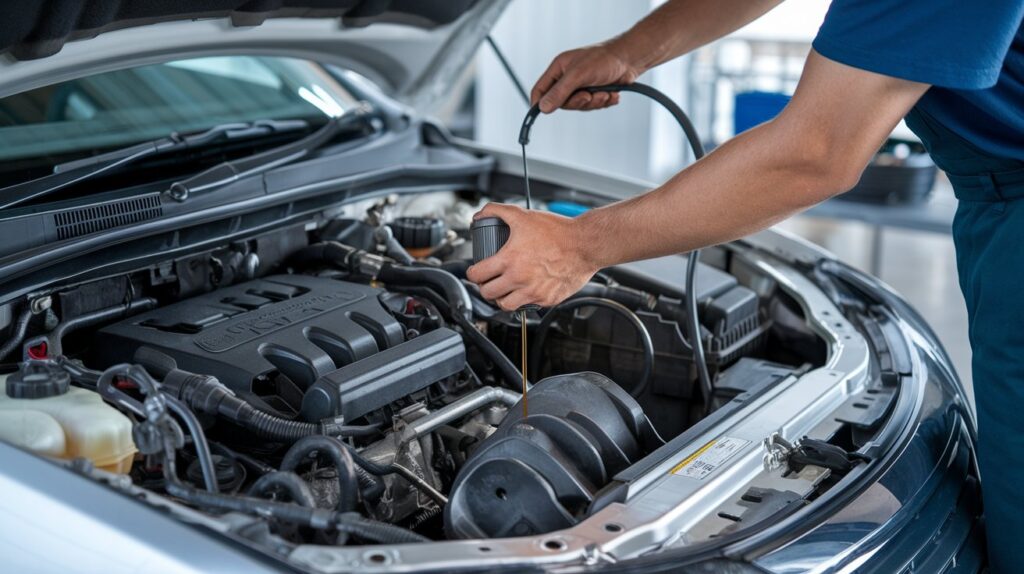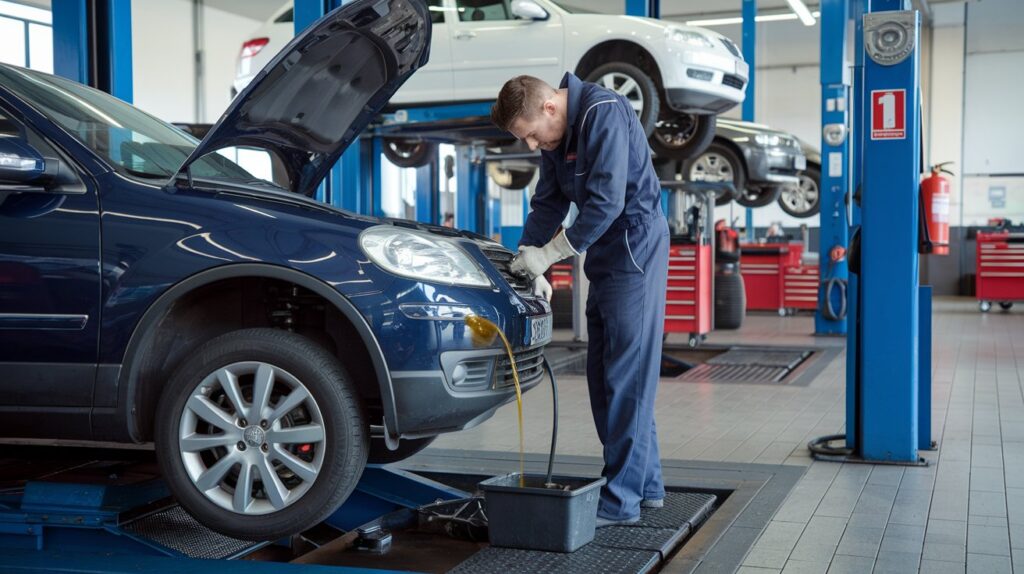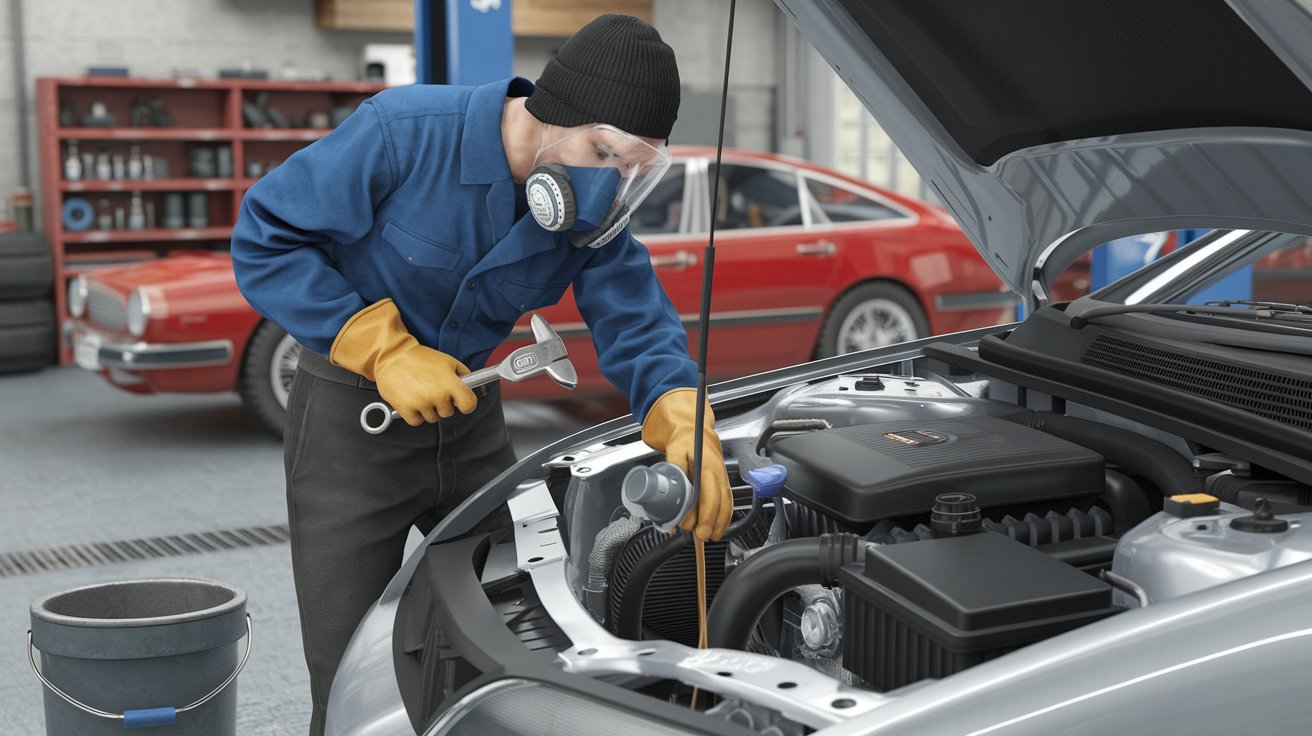
An oil change typically takes 30 to 45 minutes at professional service centers in the United States, though timing varies based on location, service type, and vehicle complexity. Quick-lube facilities like Jiffy Lube and Take 5 often complete standard oil changes in 15 to 30 minutes, while dealerships may require 45 minutes to an hour due to comprehensive multi-point inspections. For those performing a DIY oil change, expect 60 to 90 minutes depending on experience level and equipment availability.
Average Oil Change Duration at Professional Service Centers
The time required for a professional oil change depends significantly on the service provider you choose. In 2026, quick-lube chains dominate the market with their promise of speed and convenience. These facilities have optimized their processes to minimize wait times while maintaining quality standards. Understanding the typical duration at different service locations helps you plan your schedule effectively and choose the right option for your needs.
Most Americans prefer professional services because trained technicians complete the work efficiently while you wait comfortably in a customer lounge. The average oil change time includes not just draining old oil and adding new, but also inspecting filters, checking fluid levels, and examining critical components. Service centers in urban areas typically experience higher volumes, which can extend wait times during peak hours like Saturday mornings or weekday lunch breaks.
Quick-Lube Facilities: 15 to 30 Minutes
Establishments like Jiffy Lube, Take 5, and Valvoline Instant Oil Change specialize in rapid service, typically completing a standard oil change in 15 to 30 minutes. These facilities employ multiple technicians who work simultaneously on different aspects of your vehicle. One technician handles the oil drain and filter replacement underneath while another checks fluids and performs visual inspections under the hood. This streamlined process minimizes your wait time significantly compared to traditional repair shops.
The speed at quick-lube centers comes from their specialized focus on routine maintenance rather than complex repairs. They stock common oil types and filters for popular vehicle models, eliminating delays from parts ordering. However, if your vehicle requires synthetic oil or an unusual filter size, you should call ahead to confirm availability. During peak hours, even these efficient facilities may experience 10 to 15 minute delays, so scheduling an appointment or arriving during off-peak times ensures the fastest service.
Dealership Service Departments: 45 to 60 Minutes
Authorized dealership service centers typically require 45 minutes to an hour for oil changes because they perform more comprehensive inspections as part of their service protocol. Toyota, Honda, Ford, and Chevrolet dealerships use manufacturer-specific oils and filters designed precisely for your vehicle model. Technicians at dealerships receive brand-specific training and often identify potential issues that generic service centers might overlook, adding value to the slightly longer wait time.
The extended duration at dealerships includes detailed multi-point inspections covering brake systems, tire conditions, battery health, and fluid levels throughout the vehicle. These thorough examinations help prevent future breakdowns and maintain your vehicle warranty requirements. Many dealerships now offer online scheduling systems that reduce wait times by ensuring technicians are ready when you arrive. Despite taking longer than quick-lube facilities, dealership service provides peace of mind through manufacturer-certified maintenance procedures.
Independent Repair Shops: 30 to 50 Minutes
Local independent mechanics and auto repair shops fall between quick-lube facilities and dealerships, averaging 30 to 50 minutes for oil changes. These businesses often provide personalized service and build long-term relationships with customers. The timing varies based on shop workload, with smaller operations potentially taking longer if they’re simultaneously handling other repair jobs. However, many customers prefer these shops for their trustworthy service and competitive pricing.
Independent shops frequently offer more flexible scheduling and can accommodate special requests like using specific oil brands or performing additional inspections. The mechanic-to-customer ratio affects service speed, with well-staffed shops completing oil changes faster than single-mechanic operations. Many independent facilities have adopted appointment systems in 2026, allowing them to manage workflow efficiently and provide accurate time estimates when you book your service online or by phone.
How Long Does a DIY Oil Change Take
Performing your own oil change at home typically requires 60 to 90 minutes for most vehicle owners, though experienced mechanics can complete the task in 30 to 45 minutes. The DIY approach saves money on labor costs but demands more of your personal time and requires proper equipment. First-time DIY mechanics should allocate at least two hours to account for unfamiliarity with the process, locating the drain plug, and potential complications like stuck oil filters or stripped drain pan bolts.
The actual time investment depends on several factors including your mechanical skill level, tool availability, and vehicle accessibility. Cars with easily accessible oil pans and filters allow quicker changes, while trucks requiring jack stands or ramps add setup time. Environmental considerations also affect duration, as you must properly dispose of used oil at recycling centers or auto parts stores. Most Americans who choose DIY oil changes view the time investment as worthwhile for the cost savings and mechanical knowledge gained through hands-on vehicle maintenance.
Preparation and Setup: 15 to 20 Minutes
Before beginning the actual oil change, you’ll spend 15 to 20 minutes gathering tools and preparing your workspace. Essential equipment includes an oil drain pan, socket wrench set, oil filter wrench, funnel, and jack stands or ramps for vehicle elevation. You’ll need to purchase the correct type and quantity of oil for your specific vehicle, plus an appropriate oil filter. Consulting your owner’s manual ensures you buy the right products, preventing time-wasting trips back to the auto parts store.
Proper vehicle positioning is critical for safe DIY oil changes. If using jack stands, you’ll need several minutes to safely elevate and secure your car on level ground. Many DIY mechanics prefer drive-up ramps for their convenience and stability, though positioning the vehicle correctly on ramps requires careful attention. Setting up your workspace with all tools within reach, placing cardboard under your vehicle to catch spills, and warming your engine for five minutes to thin the oil completes your preparation phase efficiently.
Oil Draining and Filter Replacement: 20 to 30 Minutes
The core process of draining old oil and replacing the filter consumes 20 to 30 minutes of your DIY oil change. After locating the drain plug underneath your vehicle, you’ll position your drain pan and carefully remove the plug, allowing oil to flow completely. Complete drainage typically takes 5 to 10 minutes as gravity pulls all old oil from the engine. During this waiting period, experienced DIY mechanics often remove the old oil filter simultaneously, though first-timers should focus on one task at a time to avoid mistakes.
Removing the oil filter can be straightforward or challenging depending on its location and how tightly it was installed during the previous change. A quality oil filter wrench provides necessary leverage for stubborn filters. After the old filter is removed and oil has finished draining, you’ll install a new filter after applying a thin layer of fresh oil to its rubber gasket. Reinstalling the drain plug with a new crush washer completes this phase, though you must torque the plug properly to prevent leaks without overtightening and damaging threads.
Adding New Oil and Cleanup: 15 to 25 Minutes
After securing the drain plug and new filter, adding fresh oil takes 10 to 15 minutes including verification of proper levels. Using a clean funnel to prevent spills, you’ll pour the manufacturer-recommended amount of oil into the engine, typically between 4 and 6 quarts for most passenger vehicles. Starting with slightly less than the full amount allows you to check the dipstick and add oil incrementally until reaching the optimal level. This careful approach prevents overfilling, which can damage engine components.
Cleanup and final verification consume the remaining time in your DIY oil change. You’ll lower your vehicle from jack stands or ramps, start the engine to circulate new oil, and check for leaks around the drain plug and filter. After running the engine for a minute, shut it off and recheck the oil level on the dipstick after waiting a few minutes for oil to settle. Disposing of used oil responsibly by transporting it to a recycling center or auto parts store that accepts waste oil completes your DIY maintenance. Proper cleanup of tools and workspace ensures your garage remains organized for future projects.
Factors That Affect Oil Change Duration
Several variables influence how long your oil change takes, whether performed professionally or DIY. Understanding these factors helps you set realistic expectations and choose the most efficient service option. Vehicle complexity ranks among the most significant factors, as modern cars with engine covers, skid plates, and tight underbody clearances require additional time for access. Luxury vehicles and European imports often demand specialized tools and procedures that extend service duration compared to standard domestic models.
The type of oil you choose also impacts timing. Conventional oil changes proceed quickly because the oil flows easily at room temperature, while synthetic oil changes may take slightly longer due to precise filling requirements and higher quality standards. Shop workload dramatically affects wait times, with Saturday mornings and weekday evenings representing peak periods at most service centers. Weather conditions influence DIY timing, as cold temperatures make oil more viscous and outdoor work less comfortable, while professional facilities maintain climate-controlled bays for consistent service speeds year-round.
Vehicle Type and Model Complexity
Your vehicle’s make and model significantly determine oil change duration. Standard sedans like Honda Accords, Toyota Camrys, and Ford Fusions feature accessible oil pans and filters that allow quick service. Technicians complete oil changes on these popular models efficiently because they encounter them frequently and know exactly where components are located. Conversely, high-performance vehicles, luxury cars like BMWs and Mercedes-Benz, and some SUVs require removing protective panels or navigating complex underbody designs that add 10 to 20 minutes to service time.
Trucks and vehicles with high ground clearance often allow faster access because technicians can work underneath without elevating the vehicle as much. However, diesel engines typically require more oil than gasoline engines, extending the draining and filling process. Hybrid and electric vehicles with range-extender engines present unique challenges that some quick-lube facilities may not handle, necessitating visits to specialized shops or dealerships where technicians trained on these systems work more efficiently despite the complexity.
Conventional Oil vs Synthetic Oil Service Time
The oil type you select minimally affects the actual service duration, though synthetic oil changes sometimes take slightly longer due to quality control procedures. Conventional oil changes remain the fastest because most service centers stock this oil in bulk and can dispense it quickly. Synthetic and synthetic blend oils require technicians to verify they’re using the correct formulation for your specific engine, adding a minute or two to the process. However, the drain time remains essentially identical regardless of oil type.
Premium synthetic oil changes often include more comprehensive inspections at professional facilities, extending the total service time to 35 to 50 minutes even at quick-lube centers. These enhanced services check additional components and may include tire pressure adjustments, cabin air filter inspections, and detailed fluid analysis. While the oil change itself takes the same time, the bundled services provide added value that justifies the slightly longer wait and higher cost associated with synthetic oil maintenance packages.
What Happens During a Professional Oil Change
Understanding the complete oil change process helps you appreciate why professional services require 30 to 45 minutes rather than just 10 to 15 minutes for the basic oil swap. Technicians follow systematic procedures designed to maintain your engine’s health while identifying potential problems before they cause breakdowns. The process begins when you drive your vehicle into the service bay, where a technician records your current mileage and oil change history to recommend the appropriate service interval for your next visit.
Modern professional oil changes include multiple steps beyond simply draining old oil and adding new. Technicians perform multi-point inspections mandated by most service chains to ensure customer satisfaction and vehicle safety. These inspections add value to your service by catching issues like worn brake pads, low tire pressure, or failing batteries before they leave you stranded. The comprehensive approach explains why even quick-lube facilities need at least 15 to 20 minutes for thorough service rather than rushing through the basics.
Draining Old Oil and Removing the Filter
The oil change begins with the technician positioning your vehicle over the service bay pit or on a lift, then locating the oil drain plug on your engine’s oil pan. Using the appropriate socket, they carefully remove the drain plug, allowing old oil to flow into a collection system. Professional facilities use sophisticated drainage equipment that captures used oil cleanly and routes it to recycling tanks, preventing environmental contamination. The draining process typically requires 5 to 8 minutes to ensure complete oil removal from the engine.
While oil drains, the technician locates and removes your old oil filter, which may be positioned on the side of the engine, underneath near the oil pan, or in other locations depending on your vehicle model. Filters often contain residual oil that spills when removed, so technicians position drain pans strategically. After the old filter is off, they clean the filter mounting surface to ensure a proper seal with the new filter. This attention to detail prevents leaks and ensures your new oil remains clean and effective throughout its service life.
Installing New Filter and Adding Fresh Oil
After confirming complete drainage, the technician installs a new oil filter that matches your vehicle’s specifications. They hand-tighten the filter after applying a thin coat of fresh oil to the rubber gasket, ensuring a leak-proof seal without overtightening. The drain plug is then reinstalled with a new washer or gasket and torqued to manufacturer specifications using a calibrated wrench. These precise procedures prevent common problems like loose filters or stripped drain plugs that can cause catastrophic oil loss.
The technician then adds the correct quantity and grade of fresh oil specified in your vehicle’s owner manual. They pour oil carefully through the fill cap on top of the engine, typically using a funnel to prevent spills on engine components. After adding most of the required oil, they check the dipstick level and add oil incrementally until reaching the optimal mark. Starting your engine circulates the new oil throughout the system while the technician watches for leaks around the filter and drain plug, completing the core oil change process before moving to additional inspection items.
Multi-Point Inspection and Fluid Top-Off
Professional oil changes include multi-point inspections that examine critical vehicle systems while your car is elevated and accessible. Technicians check brake pad thickness, inspect tire tread depth and pressure, examine belts and hoses for wear, and test battery voltage. They also verify proper levels of transmission fluid, coolant, brake fluid, power steering fluid, and windshield washer fluid, topping off any that are low. This comprehensive inspection takes 10 to 15 minutes but provides valuable insights into your vehicle’s overall condition.
The inspection results are documented on a service report that highlights items needing immediate attention and those to monitor for future service. Technicians may show you worn components like deteriorated wiper blades or low tire tread and explain recommended services. While some customers view these recommendations skeptically, legitimate service centers provide honest assessments that help you budget for upcoming maintenance. The inspection phase distinguishes professional oil changes from basic DIY maintenance by catching problems early when repairs are less expensive and more convenient to schedule.
How to Reduce Your Oil Change Wait Time
Minimizing time spent on oil change services requires strategic planning and smart choices about when and where you service your vehicle. The single most effective time-saver is scheduling an appointment rather than using walk-in service. In 2026, nearly all major service chains and dealerships offer online booking systems that allow you to select specific time slots when technicians will be ready for your arrival. Appointments typically reduce wait times by 15 to 30 minutes compared to walk-in service during busy periods.
Choosing optimal service times also dramatically affects your wait. Avoiding peak hours like Saturday mornings, weekday lunch periods, and late afternoons when people leave work ensures shorter queues and faster service. Early weekday mornings or mid-afternoons typically represent the slowest periods at most service centers. Additionally, calling ahead to confirm oil and filter availability for your specific vehicle prevents delays from parts ordering, especially if you drive a less common model or require specialized synthetic oil formulations.
Schedule Appointments During Off-Peak Hours
Making an appointment during off-peak hours virtually guarantees minimal wait time for your oil change. Most service centers experience their heaviest traffic on Saturday mornings when people handle weekend errands, making this the worst time for quick service. Tuesday, Wednesday, and Thursday mornings between 8 AM and 10 AM represent ideal appointment windows when shops are less crowded but fully staffed. Some facilities offer early-bird specials or discounted rates for appointments before 9 AM, providing both time and cost savings.
Using online scheduling systems allows you to see real-time availability and choose time slots that fit your schedule while avoiding busy periods. Many service chains now send reminder notifications and allow you to check in digitally before arriving, further streamlining the process. If your schedule only permits weekend service, booking the first appointment slot when the shop opens ensures you receive service before the Saturday rush builds. Late afternoon appointments on weekdays, after 3 PM but before closing, also tend to be less busy as most people are still at work.
Choose Service Centers with Express Options
Selecting service providers that specialize in rapid oil changes significantly reduces your time investment. Quick-lube chains like Take 5, Jiffy Lube, and Valvoline Instant Oil Change design their entire business model around speed and convenience. These facilities employ multiple technicians per vehicle and maintain streamlined processes that complete standard oil changes in 15 to 25 minutes consistently. Their focus on routine maintenance rather than complex repairs means they stock common parts and oils, eliminating delays from supply issues.
Some dealerships and independent shops now offer express service lanes specifically for oil changes and basic maintenance, separate from their main repair bays. These dedicated lanes operate similarly to quick-lube facilities with specialized technicians focused solely on routine services. Asking whether a service center offers express options when scheduling your appointment ensures you receive the fastest possible service. Mobile oil change services have also emerged in urban areas, where technicians come to your home or workplace, eliminating travel time entirely though service typically costs 20 to 30 percent more than traditional facilities.
Oil Change Time Comparison: Different Service Providers
Comparing service duration across providers helps you choose the best option for your schedule and priorities. Quick-lube chains consistently deliver the fastest service at 15 to 30 minutes, making them ideal when time is your primary concern. National chains like Jiffy Lube operate over 2,000 locations across the United States in 2026, offering standardized service that you can rely on regardless of which location you visit. Their technicians specialize in oil changes and perform dozens daily, developing efficiency that general repair shops cannot match.
Dealership service departments require 45 to 60 minutes but provide manufacturer-specific expertise and use OEM parts designed precisely for your vehicle. This longer duration includes comprehensive inspections that often identify problems generic service centers miss. Independent mechanics fall in the middle at 30 to 50 minutes, offering personalized service and competitive pricing. The best choice depends on your priorities: choose quick-lube for speed, dealerships for thorough manufacturer-certified service, or independent shops for personalized attention and relationship building with a trusted mechanic.
Is the Additional Time at Dealerships Worth It
The extended service time at dealerships provides tangible benefits that justify the 45 to 60 minute duration for many vehicle owners. Dealership technicians receive ongoing manufacturer-specific training on your exact vehicle model, enabling them to recognize issues unique to that make and model. They use genuine OEM filters and oils formulated specifically for your engine, potentially extending engine life compared to generic aftermarket products. For vehicles under warranty, dealership service maintains your warranty coverage and creates documented service history that enhances resale value.
However, the longer wait time and typically higher costs make dealership service unnecessary for all oil changes. Many owners adopt a hybrid approach, using quick-lube facilities for routine oil changes between major services and visiting dealerships for milestone services at 30,000, 60,000, and 90,000 miles. This strategy balances convenience and cost-effectiveness with the benefits of periodic professional inspections. If your vehicle requires specialized synthetic oil or has complex engine technology like turbochargers or direct injection, the dealership’s expertise justifies the extra time and expense for proper maintenance.
Related video about how long does an oil change take
This video complements the article information with a practical visual demonstration.
Everything you need to know about how long does an oil change take
How long does it really take to do an oil change at a quick-lube facility?
Quick-lube facilities like Jiffy Lube, Take 5, and Valvoline Instant Oil Change typically complete oil changes in 15 to 30 minutes for standard vehicles. These businesses specialize in rapid service by employing multiple technicians who work simultaneously on your vehicle. One technician handles oil draining and filter replacement underneath while another checks fluids and performs inspections under the hood. The streamlined process, combined with their focus solely on routine maintenance rather than complex repairs, enables this efficiency. During peak hours like Saturday mornings, you might experience an additional 10 to 15 minute wait even at these fast facilities.
Is $100 for an oil change normal in 2026?
Yes, $100 for an oil change is increasingly normal in 2026, particularly for synthetic oil changes or service at dealerships. Conventional oil changes at quick-lube facilities typically cost $40 to $60, while synthetic oil changes range from $70 to $120 depending on your vehicle’s oil capacity and the service provider. Luxury vehicles requiring specialized synthetic oils and larger quantities can easily exceed $100. The price includes not just oil and filter but also labor, disposal fees for used oil, and multi-point inspections. Dealerships charge premium prices but include manufacturer-certified service and genuine OEM parts that justify the higher cost for many owners.
How long should a regular oil change last before needing another?
Modern vehicles using synthetic oil typically require oil changes every 7,500 to 10,000 miles or every 6 to 12 months, whichever comes first. Conventional oil necessitates changes every 3,000 to 5,000 miles or every 3 to 6 months. However, these intervals vary significantly based on driving conditions, with severe service conditions like frequent short trips, extreme temperatures, or dusty environments requiring more frequent changes. Always consult your vehicle’s owner manual for manufacturer recommendations specific to your model. Many 2026 vehicles feature oil life monitoring systems that analyze your driving patterns and notify you when oil change is actually needed, eliminating guesswork and preventing unnecessary early service.
How long does an oil change take if I do it myself at home?
DIY oil changes typically require 60 to 90 minutes for most vehicle owners, including setup, the actual oil change, and cleanup. First-time DIY mechanics should allocate at least two hours to account for unfamiliarity with the process and potential complications like stuck oil filters or difficulty locating the drain plug. Experienced home mechanics can complete the task in 30 to 45 minutes once they develop efficiency. The time includes gathering tools, elevating your vehicle safely with jack stands or ramps, draining old oil, replacing the filter, adding new oil, and properly disposing of used oil at a recycling center. Despite taking longer than professional service, many vehicle owners appreciate the cost savings and mechanical knowledge gained.
Why does an oil change at the dealership take longer than quick-lube shops?
Dealership oil changes take 45 to 60 minutes because they include comprehensive multi-point inspections beyond the basic oil change. Technicians thoroughly examine brake systems, suspension components, tire conditions, battery health, and all fluid levels throughout your vehicle. They use manufacturer-specific procedures and genuine OEM parts designed precisely for your vehicle model. Dealerships also document service in manufacturer databases, maintaining your warranty coverage and creating detailed service history. While quick-lube facilities focus on speed by performing minimal inspections, dealerships prioritize thoroughness and long-term vehicle health, which requires additional time but provides value through early problem detection and proper maintenance.
Can I wait in my car during an oil change or do I need to leave?
Most quick-lube facilities encourage you to remain in your vehicle during the oil change, as their drive-through service model allows technicians to work around you safely. This stay-in-your-car approach is a key selling point for businesses like Take 5 Oil Change. However, dealerships and traditional repair shops typically ask you to wait in a customer lounge because they elevate vehicles on lifts rather than using drive-over pits, making it unsafe to remain in the car. The waiting area usually offers amenities like Wi-Fi, coffee, and television to make your 45 to 60 minute wait more comfortable. Some facilities offer shuttle services or loaner vehicles for longer services, though these are rarely necessary for basic oil changes.
| Service Provider | Average Duration | Key Benefit |
|---|---|---|
| Quick-Lube Chains | 15-30 minutes | Fastest service with convenient locations |
| Dealership Service | 45-60 minutes | Manufacturer expertise and warranty maintenance |
| Independent Shops | 30-50 minutes | Personalized service and competitive pricing |
| DIY at Home | 60-90 minutes | Cost savings and mechanical knowledge |