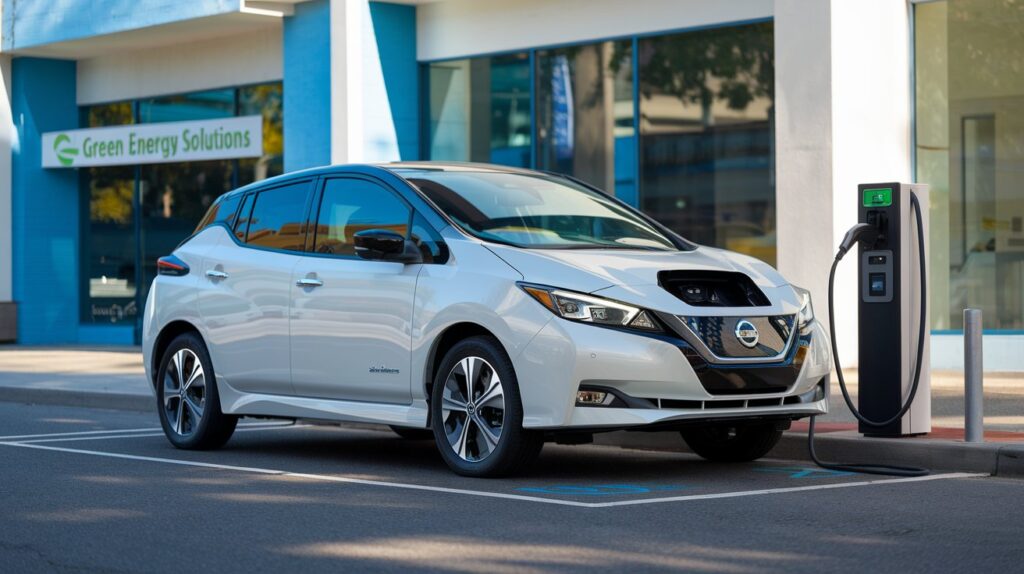
Buying a used car requires careful evaluation to avoid costly mistakes and ensure you get reliable transportation. In 2026, the used car market in the United States offers diverse options, but knowing what to look for when buying a used car protects your investment. This comprehensive guide covers critical inspection points, documentation verification, and negotiation strategies to help you make an informed purchase decision whether buying from a dealership, private seller, or online marketplace.
Most Important Things to Consider When Buying a Used Car
The most important thing to consider when buying a used car is the vehicle’s complete history and mechanical condition. According to 2026 automotive industry data, approximately 28% of used car buyers in the United States experience unexpected repairs within the first year due to inadequate pre-purchase inspections. Prioritizing a thorough evaluation saves thousands of dollars in potential repair costs and ensures safety on the road.
Before committing to any used car purchase, focus on three critical factors: verified maintenance records, comprehensive vehicle history reports, and professional mechanical inspections. The National Highway Traffic Safety Administration reports that vehicles with documented service histories maintain 18-23% higher reliability ratings compared to those without proper documentation. Understanding these fundamental considerations establishes a strong foundation for your buying decision.
Vehicle History Report and Documentation
A comprehensive vehicle history report reveals critical information about accidents, title status, previous owners, and service records. In 2026, services like Carfax and AutoCheck provide detailed reports that are essential before buying any used car. Statistics show that 15% of used vehicles in the United States have undisclosed accident damage, making history verification absolutely crucial for buyer protection.
When reviewing documentation, verify the Vehicle Identification Number (VIN) matches across all paperwork, including the title, registration, and insurance documents. Check for title status to ensure the vehicle isn’t branded as salvage, rebuilt, or flood-damaged. Request maintenance records showing regular oil changes, scheduled services, and major repairs. Complete documentation transparency indicates responsible previous ownership and reduces the risk of inheriting hidden problems.
What to Look for When Buying a Used Car: Mileage Considerations
Understanding mileage implications helps determine a vehicle’s remaining lifespan and value. In 2026, the average vehicle in the United States accumulates approximately 12,000-15,000 miles annually. A five-year-old car with 60,000-75,000 miles reflects typical usage, while significantly higher or lower mileage warrants additional scrutiny regarding driving conditions and maintenance practices.
However, mileage alone doesn’t tell the complete story. A well-maintained vehicle with 100,000 miles often proves more reliable than a neglected car with 50,000 miles. Highway miles typically cause less wear than city driving due to consistent speeds and reduced stop-and-go stress. Examine maintenance records to confirm the vehicle received proper care throughout its lifespan. Modern vehicles regularly exceed 200,000 miles when properly maintained, making condition more critical than odometer readings alone.
Mechanical Inspection Checklist
A thorough mechanical inspection identifies potential issues before purchase and provides negotiation leverage. Professional pre-purchase inspections cost $100-200 in 2026 but can save thousands by uncovering hidden problems. Certified mechanics examine critical systems including the engine, transmission, brakes, suspension, and electrical components to assess overall vehicle condition and estimate remaining service life.
Engine and Transmission Assessment
The engine and transmission represent the most expensive repair categories, with replacement costs ranging from $3,000-$8,000 in 2026. During inspection, listen for unusual noises such as knocking, ticking, or grinding sounds that indicate internal wear. Check for fluid leaks underneath the vehicle and inspect oil condition—dark, gritty oil suggests inadequate maintenance. The transmission should shift smoothly without hesitation, slipping, or hard engagements during test drives.
Request a compression test and leak-down test to evaluate engine health accurately. These diagnostic procedures reveal internal wear, valve problems, and head gasket issues before they become catastrophic failures. Transmission fluid should appear bright red or pink without burnt odors. Brown or black fluid with a burnt smell indicates overheating and internal damage requiring immediate attention or transmission replacement.
Brakes, Suspension, and Steering Systems
Inspect brake components thoroughly, as inadequate brakes compromise safety significantly. Check brake pad thickness, rotor condition, and fluid levels. Brake pads with less than 3mm remaining require immediate replacement, costing $200-400 per axle in 2026. During test drives, brakes should engage smoothly without pulsation, pulling, or squealing noises that indicate worn components or warped rotors.
The suspension and steering systems affect handling, comfort, and tire wear patterns. Examine shock absorbers for fluid leaks and bounce test each corner—the vehicle should settle within one bounce. Worn suspension components create clunking noises over bumps and cause uneven tire wear. Steering should feel responsive without excessive play, vibration, or wandering. Worn ball joints, tie rod ends, and control arm bushings require replacement, with costs ranging from $300-1,200 depending on severity.
Exterior and Interior Condition Evaluation
The exterior condition provides insight into how previous owners maintained the vehicle and reveals potential accident damage. Inspect body panels for uniform gaps and alignment—mismatched panels often indicate collision repairs. Check paint consistency across all surfaces, as color variations suggest repainting from accident repairs. Run your hand along panel edges to detect filler material used in bodywork repairs.
Examine the interior thoroughly for wear patterns consistent with the odometer reading. Excessive seat wear, steering wheel deterioration, or pedal erosion on low-mileage vehicles suggests odometer tampering. Test all electrical components including windows, locks, climate control, infotainment systems, and lights. According to 2026 repair data, electrical issues cost an average of $500-1,500 to diagnose and repair, making functional verification essential before purchase.
What to Look for When Buying from Different Sellers
Purchasing channels significantly impact buyer protections, pricing, and vehicle selection. Understanding differences between dealerships, private sellers, and online marketplaces helps you navigate each transaction type effectively. In 2026, approximately 40% of used car transactions occur through private sales, 45% through franchised and independent dealerships, and 15% through online platforms, each offering distinct advantages and challenges.
Buying from Dealerships
Dealerships provide consumer protections including limited warranties, certified pre-owned programs, and financing options. Certified pre-owned vehicles undergo multi-point inspections and include manufacturer-backed warranties, though prices typically run 10-15% higher than private sales. Dealerships must comply with Federal Trade Commission regulations including the Buyers Guide disclosure and state-specific lemon laws that protect consumers from defective vehicles.
When buying from a dealership, review all documentation carefully before signing. Negotiate the total purchase price rather than monthly payments to avoid extended loan terms that increase overall costs. Ask about return policies—some dealers offer 3-7 day return windows. Verify warranty coverage details including what components are covered, deductibles, and approved repair facilities. Dealerships offer convenience and financing but expect higher prices compared to private sales.
Private Seller Transactions
Private sellers typically offer lower prices than dealerships, with average savings of $1,500-3,000 for comparable vehicles in 2026. However, private sales lack warranty protection and require more buyer diligence. Meet sellers at their residence to verify ownership and observe how they maintained the vehicle and property. Be cautious of sellers rushing the transaction or refusing independent inspections—these red flags often indicate hidden problems.
For private seller purchases, always obtain a pre-purchase inspection from an independent mechanic. Verify the seller’s identity matches the title and confirm no liens exist through the DMV. Use secure payment methods—never carry large cash amounts or wire money before receiving the title. Many states require notarized title transfers for private sales. Research your state’s specific requirements at the DMV website to ensure proper legal transfer and registration.
Online Marketplaces Like Facebook Marketplace
Online platforms including Facebook Marketplace, Craigslist, and specialized automotive sites expand vehicle selection but increase scam risks. In 2026, online vehicle fraud affects approximately 12,000 buyers annually in the United States, with average losses exceeding $4,000 per incident. Exercise extreme caution with deals that seem too good to be true, sellers requesting deposits before viewing, or those unable to meet in person.
When using online marketplaces, communicate through platform messaging initially to create a verifiable record. Research the seller’s profile for account age, reviews, and listing history. Always inspect vehicles in person before committing to purchase—never buy sight unseen. Meet in public, well-lit locations and bring a friend for safety. Verify VIN numbers match listings and run history reports before scheduling viewings. Legitimate sellers welcome inspections and provide complete documentation without hesitation.
Test Drive Evaluation Process
A comprehensive test drive reveals operational issues that static inspections miss. Plan a route including various driving conditions: highway speeds, stop-and-go traffic, hills, and rough pavement. The test drive should last at least 20-30 minutes to allow all systems to reach operating temperature. According to automotive experts, 35% of mechanical problems only manifest after vehicles warm up completely.
During the test drive, evaluate acceleration, braking, steering response, and transmission shifting. Listen for unusual noises from the engine, exhaust, suspension, or drivetrain. Test all accessories including air conditioning, heating, radio, and driver assistance features. Check for dashboard warning lights that indicate unresolved maintenance issues. Pay attention to how the vehicle tracks—pulling to one side suggests alignment problems or uneven tire wear requiring correction.
What Not to Say to a Used Car Salesman
Negotiation strategy impacts final purchase price significantly. Avoid revealing maximum budget or expressing excessive enthusiasm about specific vehicles, as these statements weaken negotiating position. Never mention trading a vehicle before negotiating the purchase price—dealers often manipulate trade values to offset purchase price reductions. According to consumer advocacy groups, buyers who disclose budgets early pay an average of $800-1,200 more than those who negotiate strategically.
Don’t tell salespeople about financing pre-approval or time pressures like expiring insurance or immediate transportation needs. These details give sellers leverage to rush decisions or inflate prices. Avoid saying you’ll buy today if the price is right—this invitation encourages minimal discounting. Instead, remain neutral, compare multiple vehicles, and demonstrate willingness to walk away. Research market values thoroughly using resources like Kelley Blue Book and Edmunds to support your negotiating position with factual data.
Red Flags and Vehicles to Avoid
Recognizing warning signs prevents purchasing problematic vehicles that become financial burdens. Walk away from cars with salvage or rebuilt titles unless deeply discounted and professionally inspected—these vehicles have diminished resale value and potential hidden damage. Flood-damaged vehicles cause ongoing electrical and mechanical problems; check for musty odors, water lines in trunk or under hood, and premature rust in unusual locations.
Avoid vehicles with incomplete documentation, missing keys, or sellers unable to demonstrate ownership. Cars with multiple recent owners suggest ongoing problems that prompted quick resales. Excessive modifications, particularly performance enhancements, often indicate hard driving and accelerated wear. According to insurance industry data, modified vehicles experience 40% higher mechanical failure rates. Trust your instincts—if something feels wrong about the seller or vehicle, continue your search elsewhere.
Pricing and Negotiation Strategies
Understanding fair market value establishes reasonable negotiation parameters. In 2026, online valuation tools provide accurate pricing based on year, make, model, mileage, condition, and local market factors. Research comparable vehicles in your area to understand typical pricing ranges. Print valuation reports to support your offers with objective data rather than arbitrary counteroffers.
Begin negotiations below target price to allow room for compromise—typically 10-15% under asking price for private sales and 5-10% for dealerships. Document all vehicle issues discovered during inspection and obtain repair estimates from local shops. Use these estimates as negotiation leverage to reduce purchase price proportionally. Consider total ownership costs including insurance, fuel economy, and known reliability issues for specific models. A lower purchase price on an unreliable vehicle often costs more long-term than paying slightly more for a dependable option.
Final Steps Before Purchase
Once you’ve negotiated an acceptable price, complete these final verification steps before transferring funds. Obtain a final vehicle history report using the VIN to check for any recent updates including new accidents or title changes. Contact your insurance company to confirm coverage and obtain rates before finalizing purchase—some vehicles cost significantly more to insure than others.
Schedule a pre-purchase inspection with a trusted mechanic if not already completed. Review all paperwork including the bill of sale, title transfer documents, and warranty information if applicable. Verify odometer disclosure statements are accurate and properly signed. Confirm the VIN on documents matches the dashboard and doorframe plates. Arrange secure payment methods such as cashier’s checks or direct bank transfers rather than cash. Complete title transfer and registration at your local DMV within required timeframes to avoid penalties and ensure legal ownership.
Related video about what to look for when buying a used car
This video complements the article information with a practical visual demonstration.
FAQ – Common Questions
What is the most important thing to consider when buying a used car?
The most important consideration when buying a used car is obtaining a comprehensive vehicle history report and completing a professional mechanical inspection. These two steps reveal hidden problems, accident history, and mechanical condition that determine whether the vehicle represents a sound investment. Statistics show that 28% of buyers experience unexpected repairs within the first year when skipping proper inspections, with average costs exceeding $2,500. Prioritizing thorough evaluation before purchase protects your investment and ensures reliable transportation for years ahead.
What mileage is too high when buying a used car?
Mileage context matters more than absolute numbers when evaluating used vehicles. Modern cars regularly exceed 200,000 miles with proper maintenance. Focus on maintenance history rather than mileage alone—a well-maintained vehicle with 100,000 miles proves more reliable than a neglected car with 50,000 miles. In 2026, vehicles average 12,000-15,000 miles annually in the United States. Calculate expected mileage based on age, and verify maintenance records confirm regular service. Highway miles cause less wear than city driving, so consider usage patterns alongside odometer readings.
What not to say to a used car salesman during negotiations?
Avoid revealing your maximum budget, expressing excessive enthusiasm about specific vehicles, or mentioning time pressures during negotiations. Never tell salespeople you’ll buy today if the price is right, as this encourages minimal discounting. Don’t disclose financing pre-approval or trade-in plans before negotiating the purchase price. Consumer data shows buyers who reveal budgets early pay $800-1,200 more on average. Instead, remain neutral, research market values thoroughly, demonstrate willingness to walk away, and use objective pricing data to support your offers.
Should I buy a used car from a dealership or private seller?
Both options offer distinct advantages depending on your priorities and risk tolerance. Dealerships provide consumer protections including limited warranties, certified pre-owned programs, and financing options, but charge 10-15% more than private sales. Private sellers offer lower prices with average savings of $1,500-3,000, but transactions lack warranty protection and require more buyer diligence. Consider your mechanical knowledge, willingness to handle paperwork, and desire for warranty coverage when choosing between options. Regardless of source, always obtain independent pre-purchase inspections before committing to any used vehicle purchase.
What should I look for when test driving a used car?
Plan a comprehensive test drive lasting 20-30 minutes that includes highway speeds, stop-and-go traffic, hills, and rough pavement. Evaluate acceleration, braking, steering response, and transmission shifting quality. Listen for unusual noises from the engine, suspension, or drivetrain. Test all accessories including climate control, audio system, and driver assistance features. Check for dashboard warning lights indicating unresolved issues. Pay attention to vehicle tracking—pulling to one side suggests alignment problems. Allow the vehicle to reach full operating temperature, as 35% of mechanical problems only manifest after warming up completely.
How can I avoid buying a flood-damaged or salvage vehicle?
Always obtain a comprehensive vehicle history report that reveals title brands including salvage, rebuilt, or flood damage designations. Inspect for physical signs of flood damage: musty odors, water lines in the trunk or under the hood, premature rust in unusual locations, and moisture in lights or instrument cluster. Check for mismatched upholstery or carpeting that suggests replacement after water damage. Test all electrical components thoroughly, as flood damage causes ongoing electrical problems. Verify the VIN matches all documentation and hasn’t been altered. When suspicious, walk away—flood-damaged vehicles create expensive, ongoing problems that diminish value and reliability significantly.
| Inspection Category | Key Checkpoints | Why It Matters |
|---|---|---|
| Vehicle History | Accident reports, title status, service records, previous owners | Reveals hidden damage and maintenance patterns affecting reliability |
| Mechanical Inspection | Engine, transmission, brakes, suspension, electrical systems | Identifies $3,000-8,000 in potential repair costs before purchase |
| Mileage Assessment | Annual average 12,000-15,000 miles, maintenance correlation | Determines remaining vehicle lifespan and fair market value |
| Test Drive | 20-30 minutes including varied conditions, all systems tested | Reveals operational issues that static inspections miss |
| Documentation Review | Title verification, VIN matching, ownership proof, warranty details | Ensures legal ownership transfer and protects against fraud |
| Pricing Research | Market comparables, condition adjustments, negotiation data | Saves $800-1,200 through informed negotiation strategies |